An email says the seller's bank details changed: how to verify before you wire money for a painting
If an email or message says the seller's bank account has changed, send nothing yet. Confirm the new account with the seller on a phone number or address you had before that message arrived. If the wire has already left, phone your bank today, ask for a recall of the funds and file a complaint at ic3.gov.


Why the account changes halfway through a purchase
Picture the sequence. You agree on a painting, the seller sends an invoice, and a day later a second message in the same thread says the bank has changed and gives a new account. The tone matches. The signature matches. The account holder is someone else.
The FBI's Internet Crime Complaint Center (IC3) calls this business email compromise. In IC3's description, the scam is frequently carried out when someone compromises legitimate business or personal email accounts through social engineering or computer intrusion to conduct unauthorized transfers of funds. A buyer of art is an ordinary target: the payment is a single large transfer, often sent abroad, to a seller the buyer has never met.
IC3 counted 305,033 domestic and international incidents between October 2013 and December 2023, with $55,499,915,582 in exposed losses.
How to check new payment instructions before you send
IC3's first protective advice is to use secondary channels or two-factor authentication to verify any request to change account information. In a purchase of art, the secondary channel is a phone number or messaging account you already had for the seller before the new instructions arrived, such as the one printed on the artist's own website. Type it yourself. A number inside the suspicious email leads back to whoever wrote it.
IC3 also tells people to check that the sender's address and any link go to the business they claim to represent. Look at the full address, letter by letter, and compare it with earlier messages from the same seller. Then read the beneficiary name on the new account. If the artist or her company is the seller and the account belongs to a third person, stop and ask.
When you reach the seller, name the work, its title and its Archive ID if it has one, and the amount. Ask them to read the account details back to you. IC3 adds one more rule worth keeping: never send passwords or personal identification data by email.

If the wire already left: the first hours
Speed counts here. IC3's instruction is to contact your financial institution immediately and request a recall of the funds. Policies differ between banks, so ask yours what it can do and how long it has. Then, whatever the amount, file a complaint at ic3.gov as soon as possible. IC3 says it may be able to help banks and law enforcement freeze the money.
If you paid through a wire transfer company, the Federal Trade Commission says to report it to that company immediately, tell them a scammer tricked you into sending money, and ask for a refund. You can also report the scammer to the FTC at ReportFraud.ftc.gov.
Keep everything as it arrived: the message with the new account, the earlier genuine messages, the invoice, and your bank's transfer receipt with its reference number. Then tell the real seller what happened, through the channel you trust.
For those about to acquire
From outside Brazil, a work from Perfeito Studio is paid by international bank transfer in US dollars. Prices are set in Brazilian real, so agree the USD amount in writing before you send. Reach the studio through the WhatsApp number or the address contato@perfeitostudio.com shown on perfeitostudio.com, and confirm any payment details there. A longer checklist for the transfer itself is in what a collector needs before wiring payment internationally.
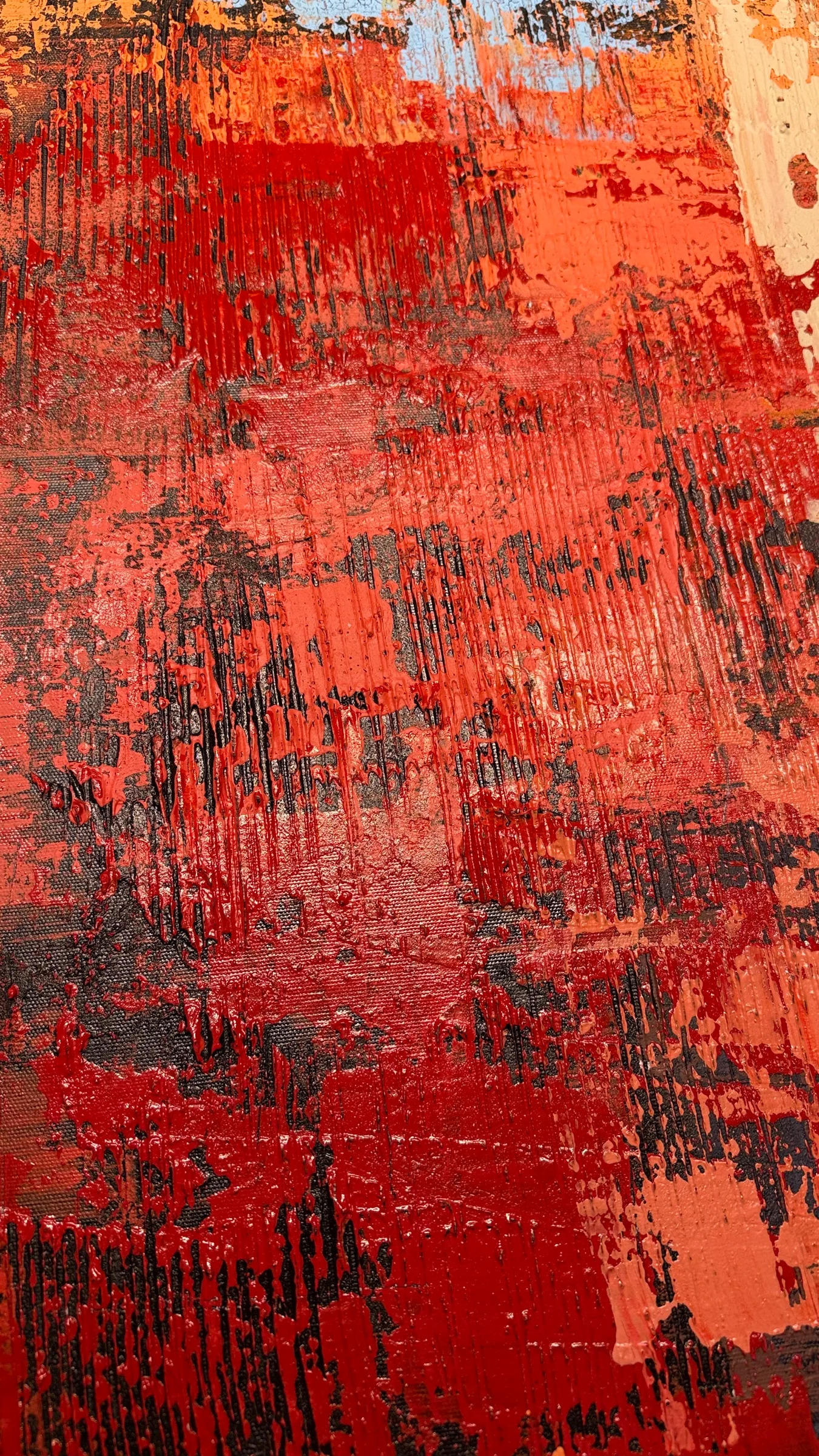
Plan the wall with painter's tape before you pay. Golden Frond is watercolour and acrylic on paper, framed, 45 x 45 cm including the frame, R$ 2,400 (Archive ID AP-WAB-2026-001). Veil of Light is mixed media with sculpted texture and acrylic on canvas, 70 x 110 cm, R$ 4,700 (AP-LMR-2026-004). Terracotta Weft is acrylic on canvas, 80 x 100 cm, R$ 4,200 (AP-TAE-2026-011). In the studio's experience, the textured surfaces read best under even side light, away from direct sun.
Every acquisition includes a signed Certificate of Authenticity with the Archive ID and a QR code to the work's page, a fiscal invoice or official receipt, the Artwork Acquisition Agreement, an artist dossier, care guidance and professional packaging. Shipping is quoted per destination and paid by the buyer, as are import duties (see shipping).

Available works
-
 Golden Frond
45 x 45 cm (17.7 x 17.7 in) · R$ 2.400
-
 Golden Frond
45 x 45 cm (17.7 x 17.7 in) · R$ 2.400
-
 Veil of Light
70 x 110 cm (27.6 x 43.3 in) · R$ 4.700
-
 Veil of Light
70 x 110 cm (27.6 x 43.3 in) · R$ 4.700
-
 Terracotta Weft
80 x 100 cm (31.5 x 39.4 in) · R$ 4.200
-
 Terracotta Weft
80 x 100 cm (31.5 x 39.4 in) · R$ 4.200
From the studio
From the studio
Each painting by Alyne Perfeito has its own page on perfeitostudio.com with title, technique, size, year and Archive ID. If a message about one of these works gives you an account you do not recognise, send the studio the Archive ID through the WhatsApp number on the site and wait for an answer before any transfer.
Frequently asked
Why would an art seller's bank details change by email?
Sometimes a seller does change banks. The same message is also the classic sign of business email compromise, which IC3 says is frequently carried out by compromising a legitimate business or personal email account to conduct unauthorized transfers of funds. Treat any new account as unconfirmed until the seller confirms it through a channel you already had.
How do I verify payment instructions before wiring?
Contact the seller on a phone number or messaging account you had before the new instructions arrived, for example the one on the artist's website. Ask them to read the account back to you. Compare the beneficiary name with the seller's name, and check the sender's address letter by letter against earlier messages.
What should I do in the first hours if I wired to a fraudster?
Call your bank immediately and ask for a recall of the funds, as IC3 advises. If you used a wire transfer company, report it to that company and ask for a refund, as the FTC advises. Keep the messages and the transfer receipt, and tell the real seller through a channel you trust.
Where do I report it in the US?
File a complaint with the FBI's Internet Crime Complaint Center at ic3.gov, whatever the amount. IC3 says it may be able to help banks and law enforcement freeze funds. You can also report the scammer to the Federal Trade Commission at ReportFraud.ftc.gov.
Confirm a work and its payment with the studio
Ask about Golden Frond, Veil of Light or Terracotta Weft on the WhatsApp number shown on perfeitostudio.com.
Sources
- FBI Internet Crime Complaint Center (IC3), public service announcement I-091124-PSA — 2026-11-23
- Federal Trade Commission, Consumer Advice — 2026-11-23
- Perfeito Studio — 2026-11-23
- Perfeito Studio — 2026-11-23
- Perfeito Studio — 2026-11-23
- Perfeito Studio — 2026-11-23
- Perfeito Studio — 2026-11-23
- Perfeito Studio — 2026-11-23
Published on
Edited and reviewed by: Alyne Perfeito, architect and visual artist · CAU A1023098
Alyne Perfeito is a trained architect and visual artist with a studio in Brasília, Brazil. She edits and reviews the Journal from her painting practice. See Alyne's works →