Art sales tax in California: when it applies, the use tax, and the museum-donation exemption
Usually yes. When a seller outside California collects no tax on a painting delivered to you there, the state tax agency (CDTFA) says you may owe use tax and pay it yourself, most simply on your California income tax return. The one art exemption, Regulation 1586, covers works bought by or donated to qualifying museums.


What the use tax is, and why it reaches a painting from abroad
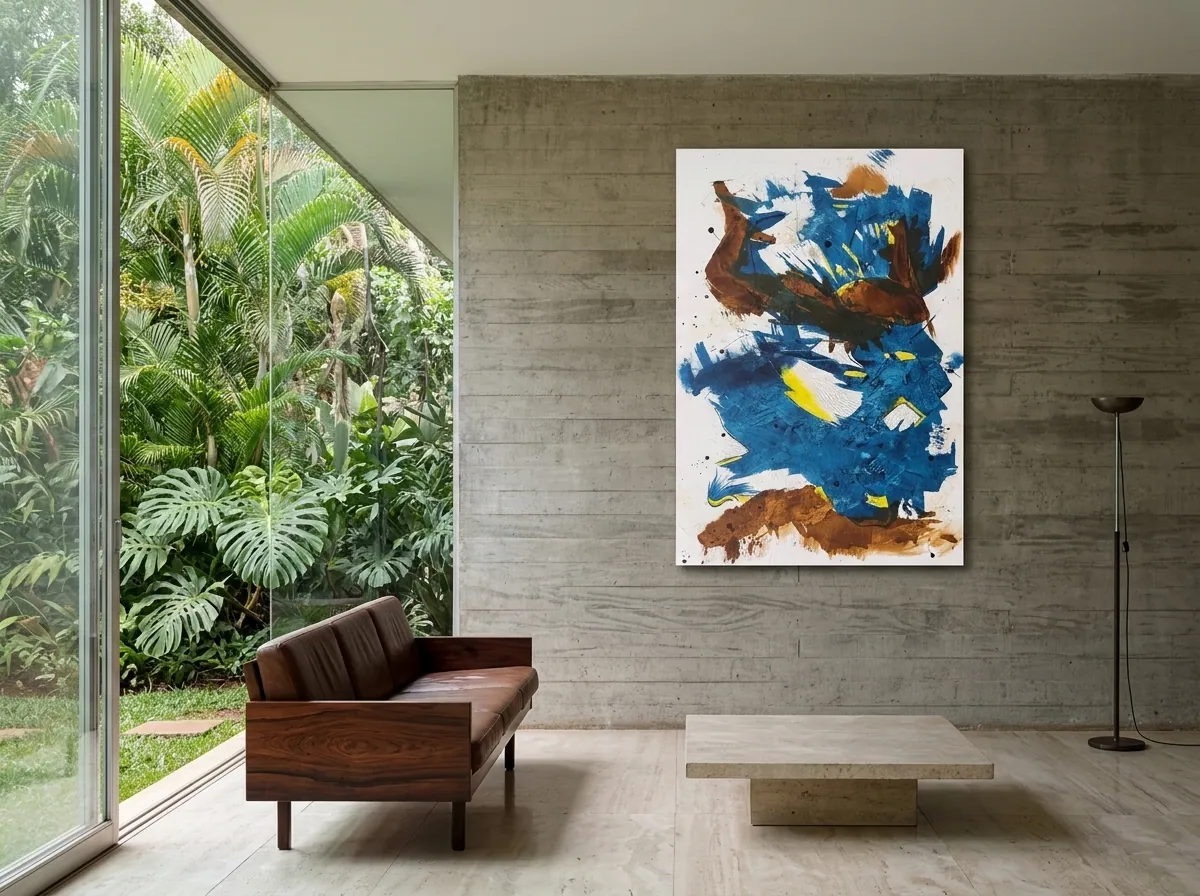
Say Crossing Currents, a painting of 80 × 120 cm, is bought from a studio in Brasília and shipped to a house in Los Angeles, it arrives with an invoice that carries no California tax. The use tax is the rule for that situation.
The California Department of Tax and Fee Administration (CDTFA) describes use tax as a tax "on the use, storage, or consumption" of personal property in California. Its page says the tax applies when "an out-of-state or online retailer doesn't collect the tax for an item delivered to California", and that it "also applies to foreign purchases of tangible personal property brought into California." A painting from Brazil is tangible personal property. When the seller collects nothing, CDTFA says the buyer pays the tax separately.

How to report and pay it
For most private buyers, CDTFA writes that "the easiest way to report and pay the use tax is on your California state income tax return." The instructions for that return include a worksheet, and CDTFA says you may also use a Use Tax Lookup Table when you report there. The other route is to pay directly through CDTFA Online Services.
The CDTFA page quotes no single rate. Sales and use tax rates in California change with the location, and the agency points you to its tool to look up the local rate. Use the address where the painting will hang. Keep the invoice, the transfer receipt and the shipping papers together: they show the price and the arrival date.
A larger buyer may fall into another category. From January 1, 2024 through December 31, 2028, CDTFA counts as a "qualified purchaser" a person who makes "more than $10,000 in purchases subject to use tax" in a calendar year (vehicles, vessels and aircraft excluded) on which no retailer collected the tax. A qualified purchaser must register with CDTFA and report and pay every year directly to the agency; the return for the previous calendar year is due April 15. Near that figure, ask a California tax preparer.

Is there an exemption for original art?
Regulation 1586, titled "Works of Art and Museum Pieces for Public Display", is the California rule written for art. It defines an original work of art as property "created as a unique object intended to provide aesthetic pleasure to the beholder", and exempts such works when they are purchased by or for donation to certain public or nonprofit organizations for public display.
The conditions are specific. A nonprofit's museum has to be "open to the public regularly for not less than 20 hours per week" and "for not less than 35 weeks of the calendar year." A nonprofit that lends its collection must regularly lend at least 85 percent of its value to museums, and each work must be shown at a California museum for at least 24 months during the three years after purchase. A private buyer can reach the exemption only by giving the work to a qualifying organization, and then "donated works of art must be delivered by the retailer of the art directly to the donee", with written evidence of the transfer of title.
A painting bought for your own home does not fit any of these cases, so the use tax applies to it in full.
Does the seller have to collect California tax?
CDTFA's page answers from the buyer's side: if the retailer did not collect the tax, you pay it. Whether a given seller outside California should have registered to collect is a separate question about remote sellers, and this guide does not cover it. For a purchase where that decides the amount, ask a California tax adviser.
Perfeito Studio sells from Brasília, Brazil. Its shipping terms say the buyer pays shipping and any import duties or taxes in the destination country, and buyers outside Brazil pay by international bank transfer in USD. California use tax is one of those destination taxes. Before you send the wire, our guide to paying for a painting by international wire from the US explains what the federal remittance rule gives you.
For anyone acquiring a work for a California home
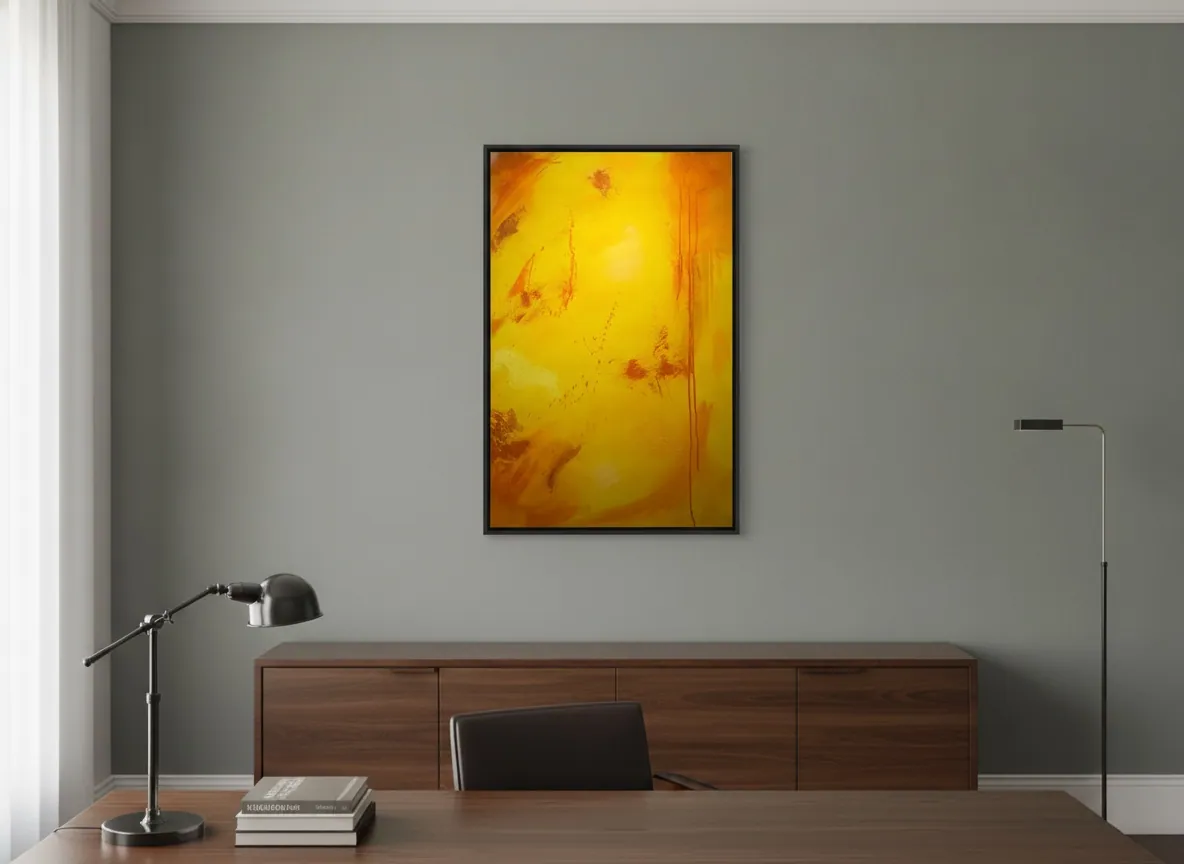
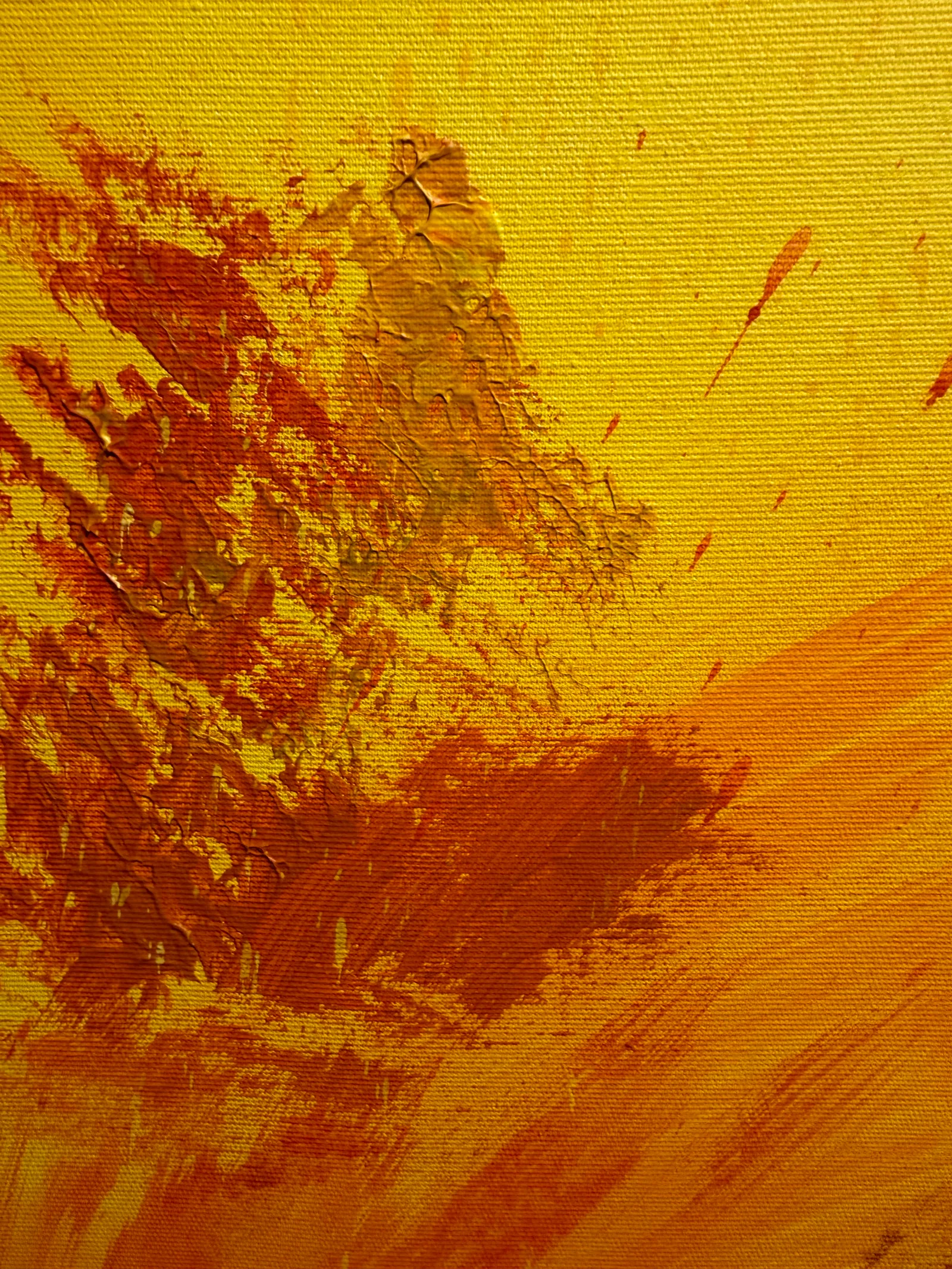
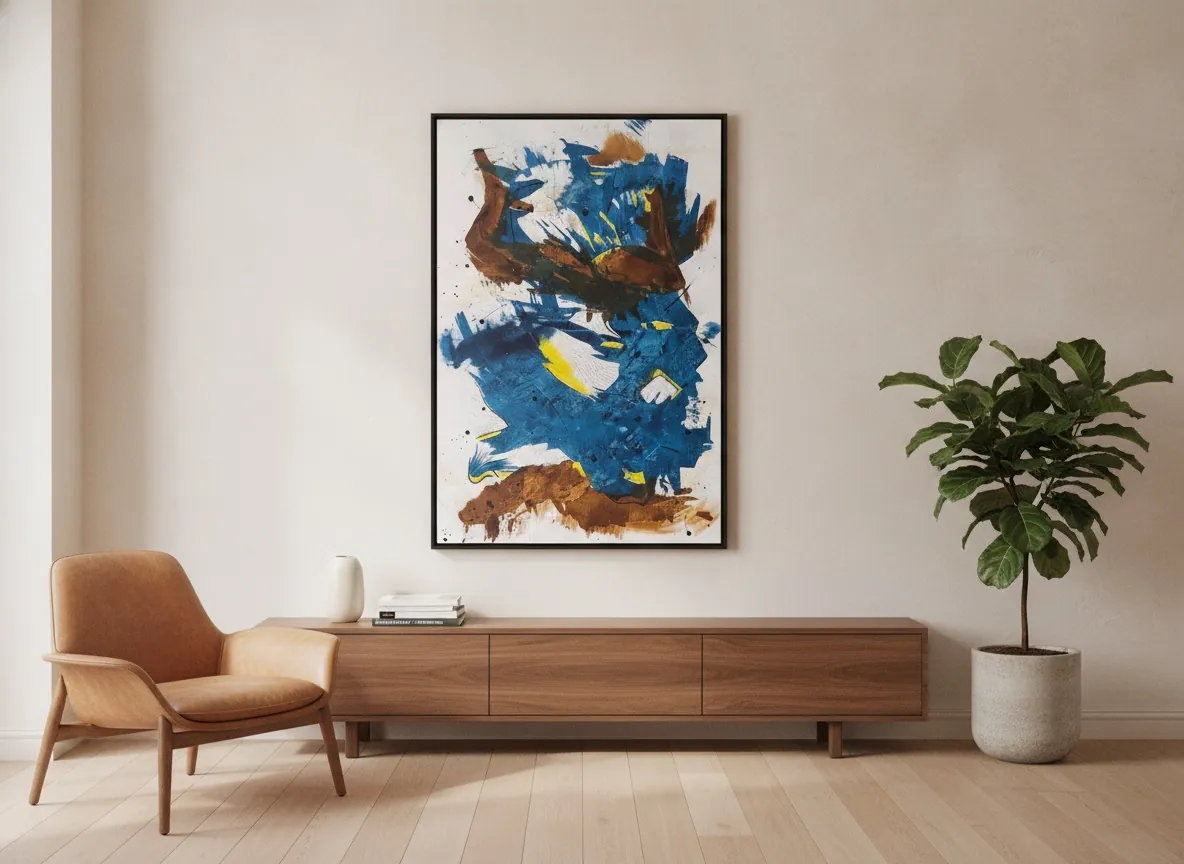
Crossing Currents (Terra & Ether, 2025) is mixed media with acrylic and texture paste on canvas, 80 × 120 cm, R$ 4,400. Fire of Devotion (Heart of Chaos, 2026) is acrylic on canvas, 100 × 150 cm, R$ 5,700, red and pink with white streaks that cross it on the diagonal. Solar Rain (Luminous Rebirth, 2026) is acrylic on canvas, 70 × 110 cm, R$ 4,800, a yellow field with red and copper marks running down. Prices are in Brazilian reais. Each is an original, unique painting.
In California it also helps to read our guide to hanging art in earthquake country. Weight and hanging hardware for each work: ask the studio.
Every acquisition comes direct from the artist with a signed Certificate of Authenticity carrying the Archive ID and a QR code, a fiscal invoice or official receipt, an Artwork Acquisition Agreement, an artist dossier and conservation guidance (for collectors). Shipping is quoted per destination and paid by the buyer, with professional packaging included and transit insurance available; international shipping is quoted on request (shipping). More paintings are in the gallery.
Available works
-
 Crossing Currents
80 x 120 cm (31 x 47 in) · R$ 4.400
-
 Crossing Currents
80 x 120 cm (31 x 47 in) · R$ 4.400
-
 Fire of Devotion
100 x 150 cm (39.4 x 59.1 in) · R$ 5.700
-
 Fire of Devotion
100 x 150 cm (39.4 x 59.1 in) · R$ 5.700
-
 Solar Rain
70 x 110 cm (27.6 x 43.3 in) · R$ 4.800
-
 Solar Rain
70 x 110 cm (27.6 x 43.3 in) · R$ 4.800
From the studio
From the studio
Crossing Currents (AP-TAE-2025-002), Fire of Devotion (AP-HOC-2026-003) and Solar Rain (AP-LMR-2026-005) leave Brasília with the Archive ID printed on the certificate, which carries a QR code to the work's official page. For a buyer in California the same folder does two jobs. The certificate identifies the painting, and the invoice with the transfer receipt gives the price and date that go on the use tax worksheet.
Frequently asked
Do I owe California use tax on a painting bought from abroad?
In most cases, yes. CDTFA says use tax applies to foreign purchases of tangible personal property brought into California and to items delivered to California by a retailer that did not collect the tax. The buyer pays it separately.
How do I report California use tax?
CDTFA calls the California state income tax return the easiest way, using the worksheet in its instructions or the Use Tax Lookup Table. You can also pay through CDTFA Online Services. A buyer with more than $10,000 a year in such purchases (2024 to 2028 rule) registers as a qualified purchaser and pays CDTFA directly.
Is there a California exemption for original art?
Regulation 1586 exempts original works of art purchased by or for donation to qualifying public or nonprofit organizations for public display, with conditions on museum hours and on delivery straight to the donee. A painting for a private home is not covered.
Does the seller have to collect California tax?
CDTFA describes what happens when the seller does not: the buyer pays use tax. Whether a specific remote seller should have registered is a separate rule; ask a California tax adviser if it changes the amount. Perfeito Studio's terms leave destination duties and taxes with the buyer.
A painting for a California home
Ask the studio for detail photographs of Crossing Currents, Fire of Devotion or Solar Rain and a shipping quote to your California address.
Sources
- California Department of Tax and Fee Administration — 2026-11-24
- CDTFA, Sales and Use Tax Regulation 1586 — 2026-11-24
- Perfeito Studio, src/data/obras.json — 2026-11-24
- Perfeito Studio, src/data/studio-facts.json — 2026-11-24
- Perfeito Studio, src/data/studio-facts.json — 2026-11-24
Published on
Edited and reviewed by: Alyne Perfeito, architect and visual artist · CAU A1023098
Alyne Perfeito is a trained architect and visual artist with a studio in Brasília, Brazil. She edits and reviews the Journal from her painting practice. See Alyne's works →