Do paintings count as assets on the FAFSA? What the federal handbook says and does not say
The 2025-26 Federal Student Aid Handbook does not mention art, paintings or collectibles. It excludes possessions “such as a car for personal use, a sound system, clothes, or furniture” and counts investments, from stocks and bonds to precious metals. A painting hanging at home is closest to the possessions, but that is a reading. Ask the college’s financial aid office.




How the handbook defines an asset
Patina Field is acrylic on canvas, 100 × 100 cm, painted in 2026. The pigment was applied, scraped back and applied again until panels of slate blue and iron brown stood beside one band of ochre. Picture it over the sofa while a parent sits below it with a laptop, filling in the FAFSA for a son or daughter, and stops at the assets question.
The Application and Verification Guide, chapter 2 of the 2025-26 handbook, gives the definition: an asset is “property that the family owns and has an exchange value.” For parents (question 40) and students (question 22) the form collects current figures, as of the day the form is signed, for bank accounts (cash, savings, checking), for investments and real estate, and for businesses or investment farms.
Investments are reported at net worth, meaning current market value minus any debt tied to them. If that number is negative, the family reports zero.
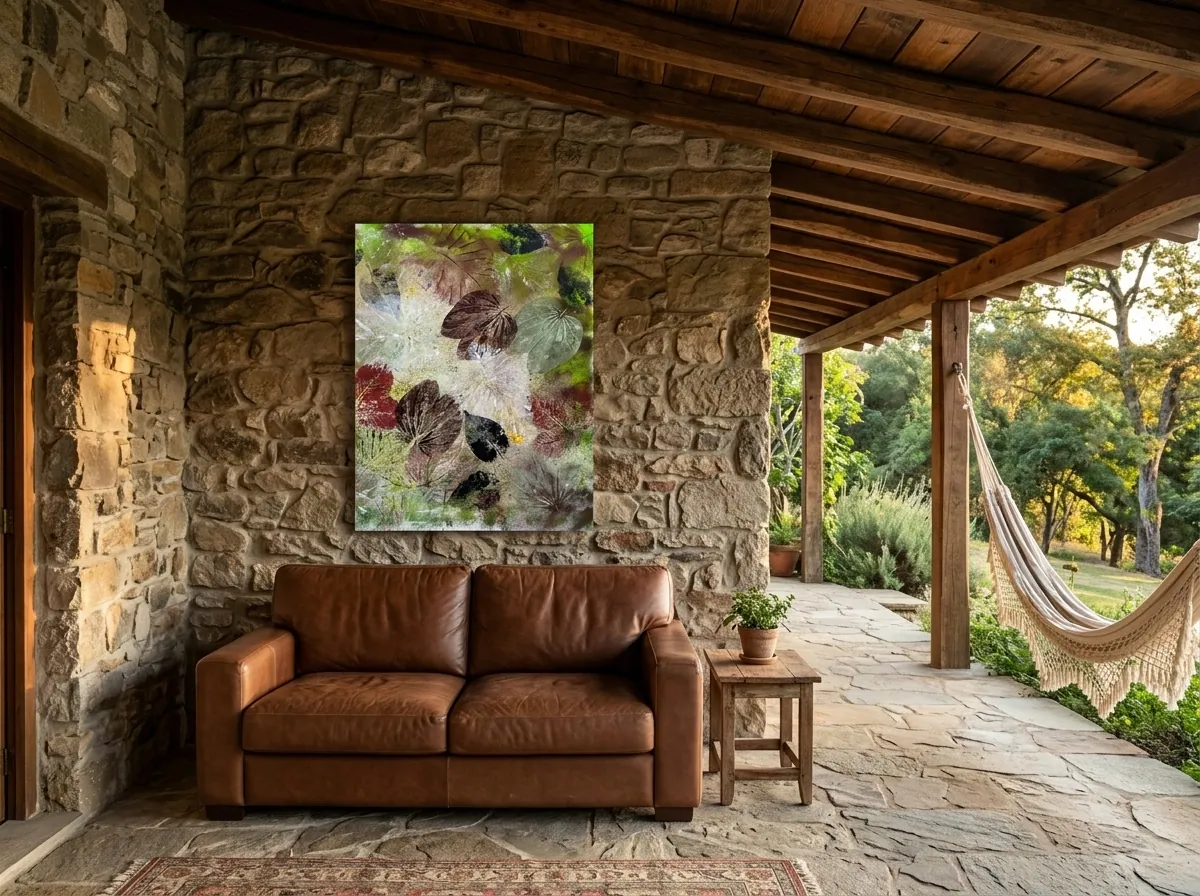
Where a painting on the wall fits
The handbook lists what does not go on the form. Possessions are first: “such as a car for personal use, a sound system, clothes, or furniture.” The family’s principal residence is excluded too, along with retirement plans, ABLE accounts and the cash value of a whole life insurance policy.
The investment list is long: education savings accounts, real estate, trust funds, mutual funds, UGMA and UTMA accounts, certificates of deposit, stocks and stock options, bonds, commodities, plus precious metals. The chapter also says virtual currency such as Bitcoin counts as an asset.
Art does not appear in either list. We read the whole chapter and found no mention of paintings, artwork, collectibles, jewelry or antiques. A painting bought to hang in the living room behaves like the furniture under it, so the possessions group is the closest match. That is our interpretation of the text. The Department of Education does not say it in the handbook.

Art bought as a store of value
The harder case is a family that buys art to hold money. The handbook says that “if the asset isn’t a business or farm, it is reported as an investment,” and the excluded list names only personal possessions. A collection bought and stored for resale sits in a zone the handbook does not settle.
Nothing on this page says any painting will gain value. The point is narrower: how a family holds and uses a work may change how a financial aid office reads it, and that office is the one that decides.
Report what the form asks, at honest current values.
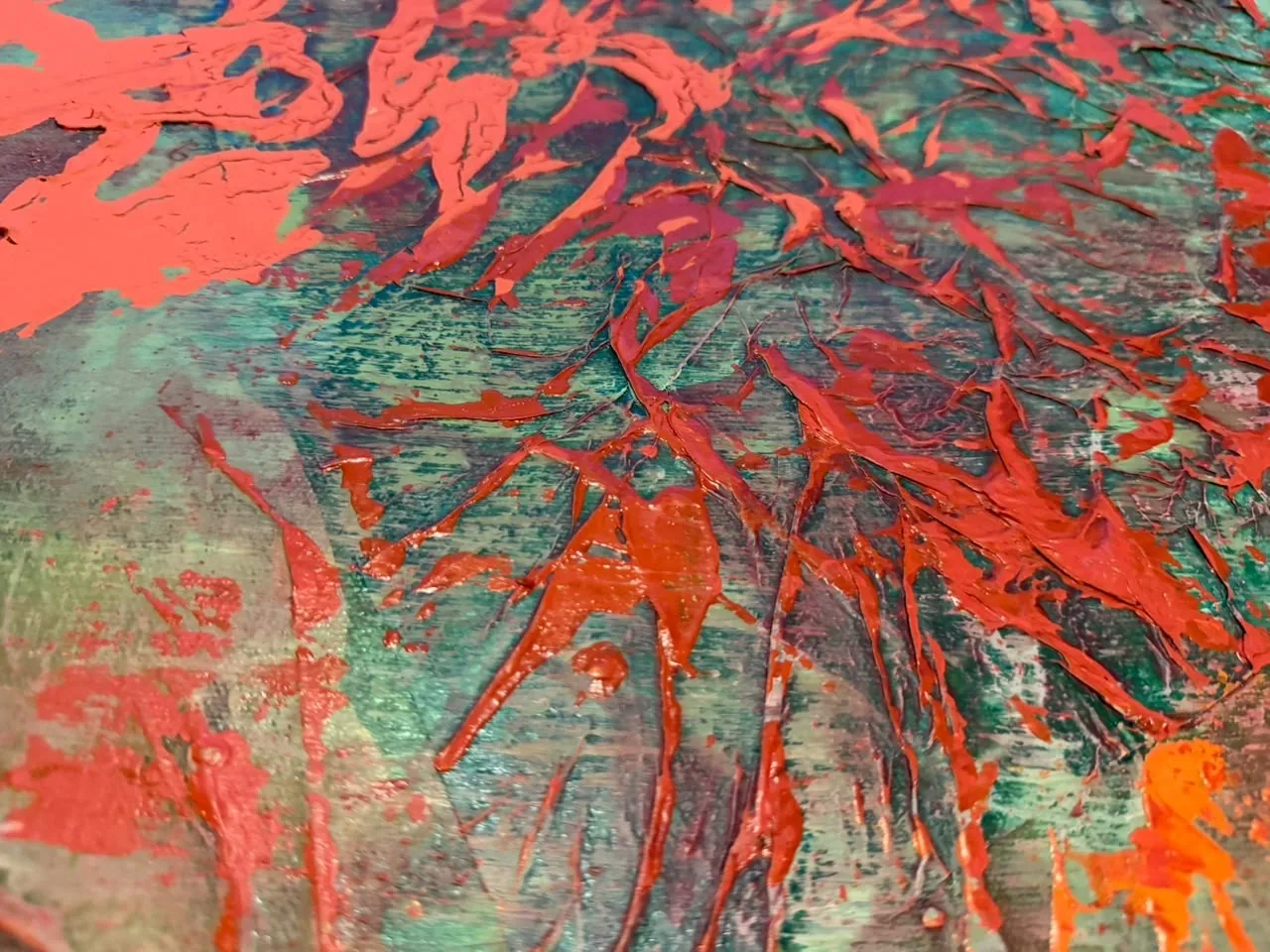
Who can give a definitive answer
Start with the financial aid office at each college on the student’s list. Ask a written question: does a painting displayed in the family home count as an asset on the FAFSA? Keep the reply with your records.
Some families do not report assets at all. The handbook says a student may have assets excluded from the Student Aid Index if the student or a family member received certain federal benefits, among them SNAP, Medicaid, SSI, TANF and the earned income credit. The FAFSA itself asks about this.
For tax treatment of a sale, estate planning or a large collection, talk to a CPA or an attorney. This page is a reading of the handbook and does not replace either.
Paperwork helps in every case. Keep the invoice and any certificate with the date and price paid. Our guide on making an Object ID record shows how to describe each painting you own.
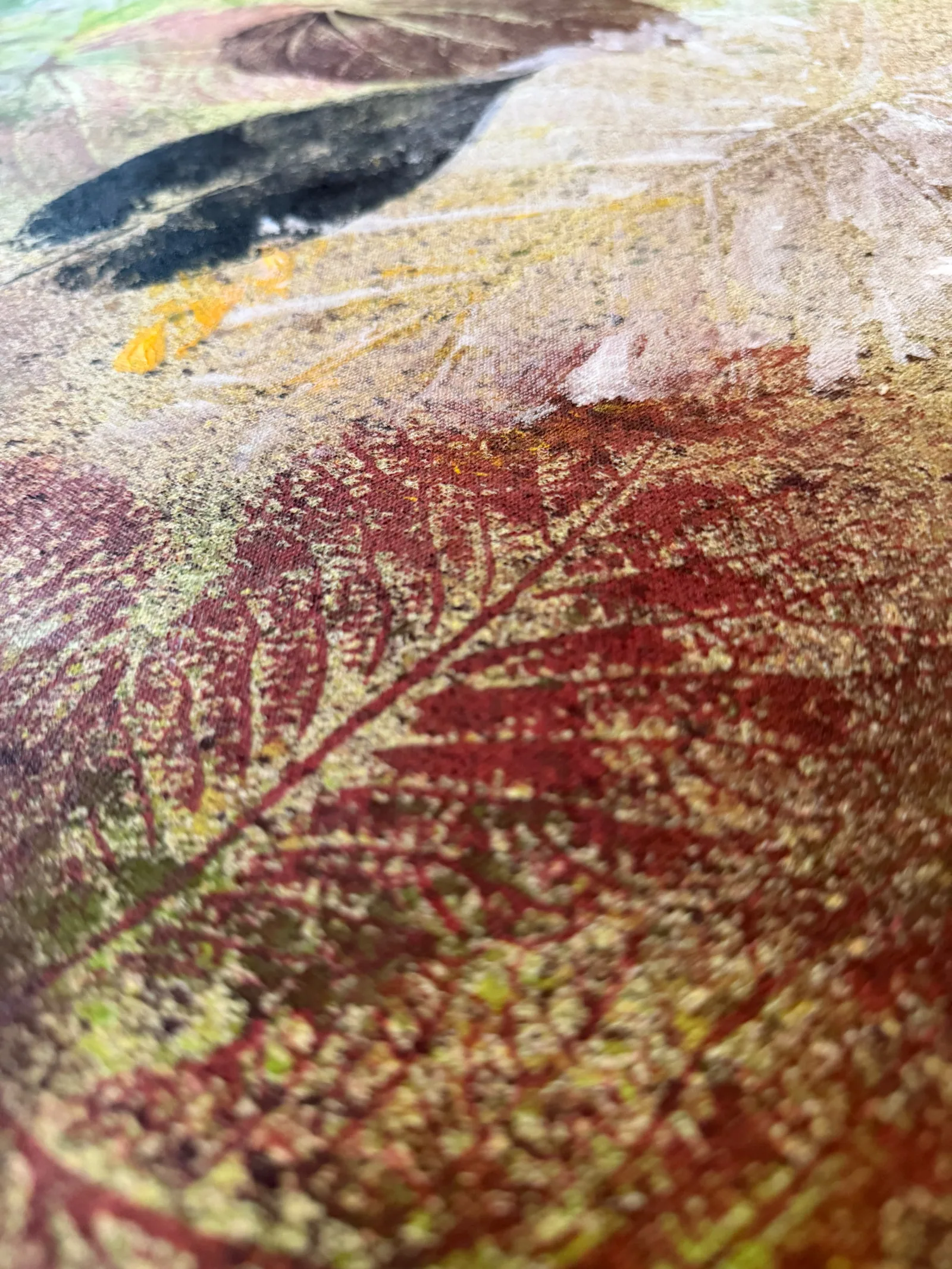
For anyone acquiring a painting
Patina Field (R$ 5,200) is square, 100 × 100 cm, and needs a sofa or console at least as wide. Autumn Herbarium (R$ 4,000), 78 × 100 cm, and Oxide Horizon (R$ 4,200), 80 × 100 cm, are vertical and fit narrower walls. All three are acrylic on canvas from 2026. Keep them out of direct sun and look at them first from where you usually sit. Prices are in Brazilian reais; any conversion is approximate.
Every acquisition comes direct from the artist with a signed Certificate of Authenticity carrying the Archive ID and a QR code to the work’s page, a fiscal invoice or official receipt, and an Artwork Acquisition Agreement (see acquisition). Shipping is quoted per destination and paid by the buyer, as are any import duties; packaging is included and transit insurance is available (see shipping). More works are in the gallery.
Available works
-
 Patina Field
100 x 100 cm (39.4 x 39.4 in) · R$ 5.200
-
 Patina Field
100 x 100 cm (39.4 x 39.4 in) · R$ 5.200
-
 Autumn Herbarium
78 x 100 cm (30.7 x 39.4 in) · R$ 4.000
-
 Autumn Herbarium
78 x 100 cm (30.7 x 39.4 in) · R$ 4.000
-
 Oxide Horizon
80 x 100 cm (31.5 x 39.4 in) · R$ 4.200
-
 Oxide Horizon
80 x 100 cm (31.5 x 39.4 in) · R$ 4.200
From the studio
From the studio
Patina Field (AP-TAE-2026-006), Autumn Herbarium (AP-TAE-2026-008) and Oxide Horizon (AP-TAE-2026-010) are original, unique paintings. The Archive ID and the date on the certificate are what a financial aid office, an insurer or a CPA can match to the invoice if they ask what the family bought and when.
Frequently asked
Do I report the paintings in my home on the FAFSA?
The 2025-26 FSA Handbook does not name art. It excludes personal possessions like a personal car or furniture, and a painting hung at home is closest to that group. That is an interpretation, so confirm it with the college's financial aid office.
What possessions does the FAFSA leave out?
The handbook excludes possessions like a personal car, clothes or furniture, plus the family's principal residence, retirement plans, ABLE accounts and the cash value of whole life insurance.
What if I hold art as an investment rather than decoration?
The handbook does not address it. It says assets that are not a business or farm are reported as investments, and it lists stocks, bonds and precious metals among them. Ask the financial aid office in writing and report honest current values.
Who can give a definitive answer for my family's case?
The financial aid office of the college that will award the aid. For tax or estate questions about a collection, a CPA or an attorney.
A painting for the family room
Tell the studio which work and the destination city and country. Shipping is quoted for that address, with transit insurance if you want it.
Sources
- U.S. Department of Education, Federal Student Aid (FSA Handbook 2025-26, Application and Verification Guide, ch. 2) — 2026-11-25
- U.S. Department of Education, Federal Student Aid — 2026-11-25
- U.S. Department of Education, Federal Student Aid — 2026-11-25
- U.S. Department of Education, Federal Student Aid — 2026-11-25
- Perfeito Studio — 2026-11-25
- Perfeito Studio — 2026-11-25
- Perfeito Studio — 2026-11-25
Published on
Edited and reviewed by: Alyne Perfeito, architect and visual artist · CAU A1023098
Alyne Perfeito is a trained architect and visual artist with a studio in Brasília, Brazil. She edits and reviews the Journal from her painting practice. See Alyne's works →