Emerging art fairs explained: how they differ and what to ask at a young gallery's booth
An emerging art fair is any fair, or part of one, built around early-career work. In practice it takes four forms: a curated sector inside a major fair, a section reserved for young galleries, a fair devoted to emerging art, and a fair where independent artists exhibit themselves. Who sells the work depends on which form you are standing in.
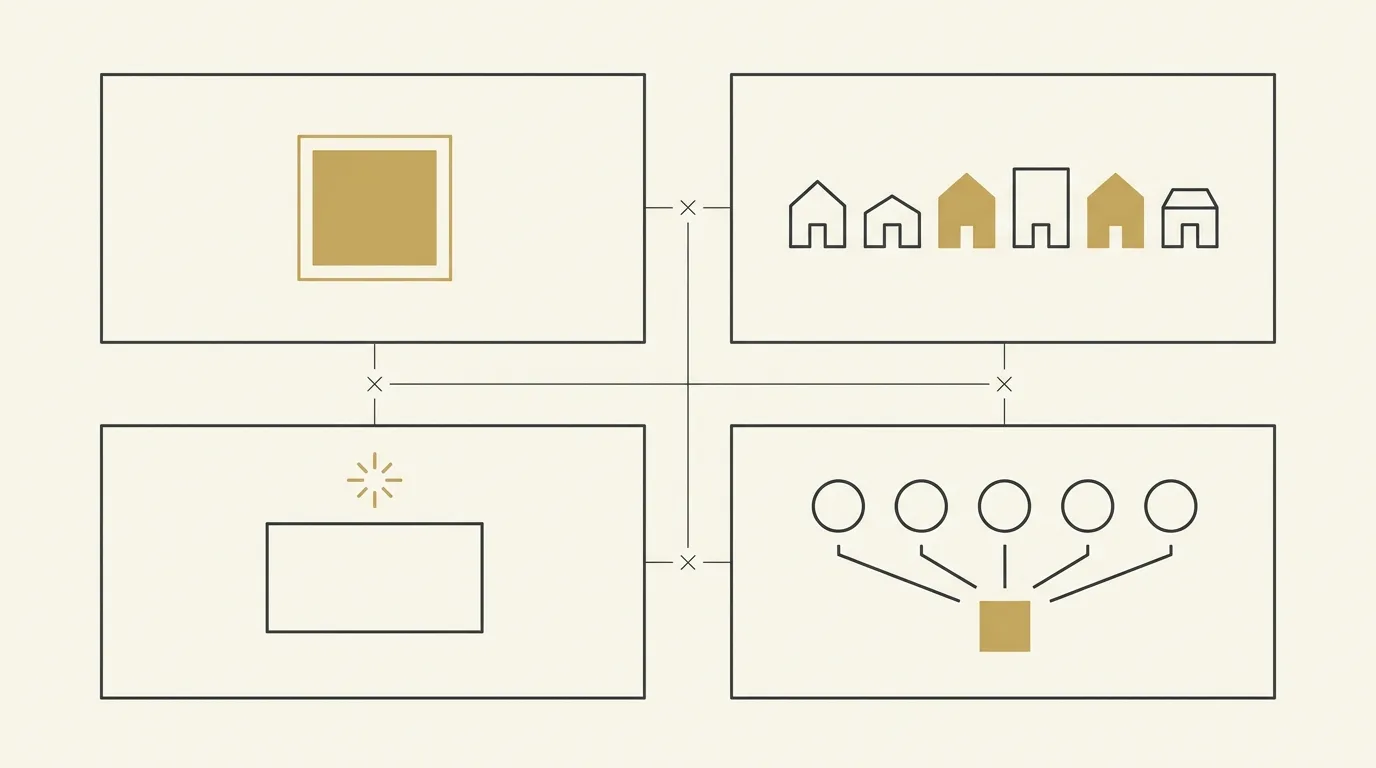
The four formats behind the label
No single institution owns the phrase, so it helps to sort fairs by how they treat early-career work. The official pages of four well-documented examples show four different logics.
A sector inside a flagship fair. Art Basel's Statements sector is described by the fair as presenting solo projects by emerging artists; for the 2026 edition in Basel it lists 18 of them. Each project is a solo presentation, so the booth shows one artist.
A section defined by the gallery's age. At ARCOmadrid 2026, the Opening. New galleries programme brought together 19 galleries from 15 countries with no more than 8 years' experience, alongside a general programme of 175 galleries. Here the "emerging" element is the gallery, so the artists inside can be at very different career stages.
A fair devoted to young art. Liste Art Fair Basel calls itself the international fair for emerging contemporary art, and its site says an open call for galleries is announced ahead of each edition.
A fair of independent artists. The Other Art Fair says it has been dedicated to representing independent artists since 2011. There is no gallery in between: artists apply to the fair and meet buyers at their own stands.
The distinction that matters to a buyer is the last one in each description: in the first three, a gallery stands between you and the artist; in the fourth, it does not.
What the model costs the artist, and why you can read it
Fairs rarely publish what a gallery pays for a booth, but one fair of independent artists states its terms openly. According to The Other Art Fair's artist application page, applying is free; a Selection Committee and the Fair Director review applications; a selected artist signs an agreement, pays a 30% stand deposit, and settles the remaining 70% six weeks before the fair opens. The fair takes an 18% commission on onsite art sales, which it says covers processing fees and complimentary wrapping for buyers, and onsite sales go through the fair's central payment system. The same rate applies to orders placed within a month of the fair closing if the customer found the artist at one of its fairs.
For a buyer, the useful reading is structural: an exhibiting artist is carrying a stand fee and a sales commission, and a price has to cover both along with materials and time. That is context for a price, not a reason to expect a reduction. Commission levels differ by fair and by edition, so check the current terms of any fair you attend.
What to ask at a young gallery's booth
An Art Basel guide for new collectors quotes one buyer who talked with the gallery, heard the story behind the work and the artist, and only then learned the price. Questions that fit an early-career booth:
- Is this work unique or an edition? If an edition, what is the edition size and which number is this?
- What are the exact medium, dimensions and year? These belong on the label or the invoice.
- What documentation comes with it? A certificate of authenticity, an invoice, and any record of the artist's materials.
- Is this the artist's first presentation at a fair? The answer tells you how much of the body of work you can see elsewhere.
- Can I see other works by the artist after the fair? Ask whether they are available through the gallery or directly.
- How is the work shipped, and who pays? Art Basel's guide says shipping is usually discussed with the gallerist, who can also explain how import tax differs by destination. Ask for the shipping and import terms in writing.
- Can I reserve it? Art Basel's guide notes that a work can often be held with a deposit, so ask what the terms are and how long the hold lasts.
- What is the return policy? Do not assume one. The Other Art Fair's Los Angeles buyer guide states that all sales at that fair are final.
Prices, negotiation and buying after the fair
Prices are set by the gallery or the artist, and fairs differ in how openly they are shown. The Other Art Fair's buyer guide says prices are clearly displayed and reflect the artist's time, materials, size and number of editions. Art Basel's guide says small discounts are sometimes offered for a first purchase and that payment over time may be possible, and that this varies by transaction. Read that as "it is acceptable to ask politely", not as an entitlement.
Buying after the fair depends on the format. For a gallery-represented artist, the gallery is normally the point of contact, so ask the gallery for the work's availability once the fair has ended. For an independent artist, ask whether the sale will go through the fair's system or directly: The Other Art Fair, for example, applies its commission to orders placed within a month after the fair if the buyer met the artist there. Either way, keep the booth conversation in writing: work title, price, documentation and delivery terms.
None of this is a promise about future value. A fair is a way to meet work and the people who stand behind it.
From the studio
From the studio
This guide describes fairs; it does not describe a fair presentation by this studio. What the studio can do is show the questions above answered for one work. Golden Passage, from the Black & Gold series, is mixed media, texture paste and imitation gold leaf on canvas, 60 x 80 cm, from 2025, catalogued as AP-BNG-2025-001 and priced at R$ 3,500. Medium, size, year and catalogue number are on the work's own page before anyone has to ask.
I trained as an architect before painting, and I tend to think a work should be as legible on paper as it is on the wall. Every acquisition is made directly from the artist and comes with a signed certificate of authenticity, an invoice or official receipt, an acquisition agreement, a dossier and conservation guidance. For a buyer outside Brasília, detail photographs and video of a specific work are available on request.
Frequently asked
What is an emerging art fair?
There is no single definition. The label is used for a fair, or a section of a fair, built around early-career work: a curated sector of solo presentations by emerging artists, a section reserved for young galleries, a fair devoted to emerging art, or a fair where independent artists exhibit directly. Check how a given fair describes its own selection before assuming what the word means there.
Do fairs sell work by emerging artists?
Yes. Art Basel lists a sector of solo projects by emerging artists, ARCOmadrid runs a section for galleries with no more than eight years' experience, and The Other Art Fair is organised around independent artists selling at their own stands. Whether the work is sold by a gallery or by the artist depends on the fair's format.
What should I ask at the booth?
Ask whether the work is unique or an edition, its exact medium, dimensions and year, and what documentation comes with it. Then ask about reservation terms, shipping and who pays for it, the return policy, and whether other works by the artist are available after the fair. Keep the answers in writing, with the title and price.
Are prices at emerging fairs negotiable?
It varies. Art Basel's collector guidance says small discounts are sometimes offered for a first purchase and payment over time may be possible, depending on the transaction. The Other Art Fair says prices are clearly displayed and reflect time, materials, size and editions. Asking politely is reasonable; assuming a reduction is not.
Can I buy after the fair from the artist?
Often, but the route depends on the format. For a gallery-represented artist, the gallery is normally the contact for availability. For an independent artist, ask whether the sale runs through the fair or directly. The Other Art Fair, for example, applies its commission to orders placed within a month of the fair closing if the customer found the artist there.
Ask the artist directly about a work
Each painting from Perfeito Studio is acquired directly from the artist, with certificate, invoice, acquisition agreement and dossier. Write to Alyne about Golden Passage or any work in the collection.
Sources
- Art Basel — 2026-10-18
- IFEMA MADRID / ARCOmadrid (2026 press kit) — 2026-10-18
- Liste Art Fair Basel — 2026-10-18
- The Other Art Fair — 2026-10-18
- The Other Art Fair — 2026-10-18
- Art Basel — 2026-10-18
Published on · Updated on