How can a diplomat posted to Brazil ship art home at the end of a posting?
A diplomat leaving Brazil usually does not ship a painting the way a collector abroad would. Brazil's foreign ministry describes a Simplified Export Declaration (DSE) for goods and unaccompanied baggage sent out by foreign missions, and a contemporary painting falls outside the art-export restriction. How the painting is declared is for your mission's administrative staff to settle.
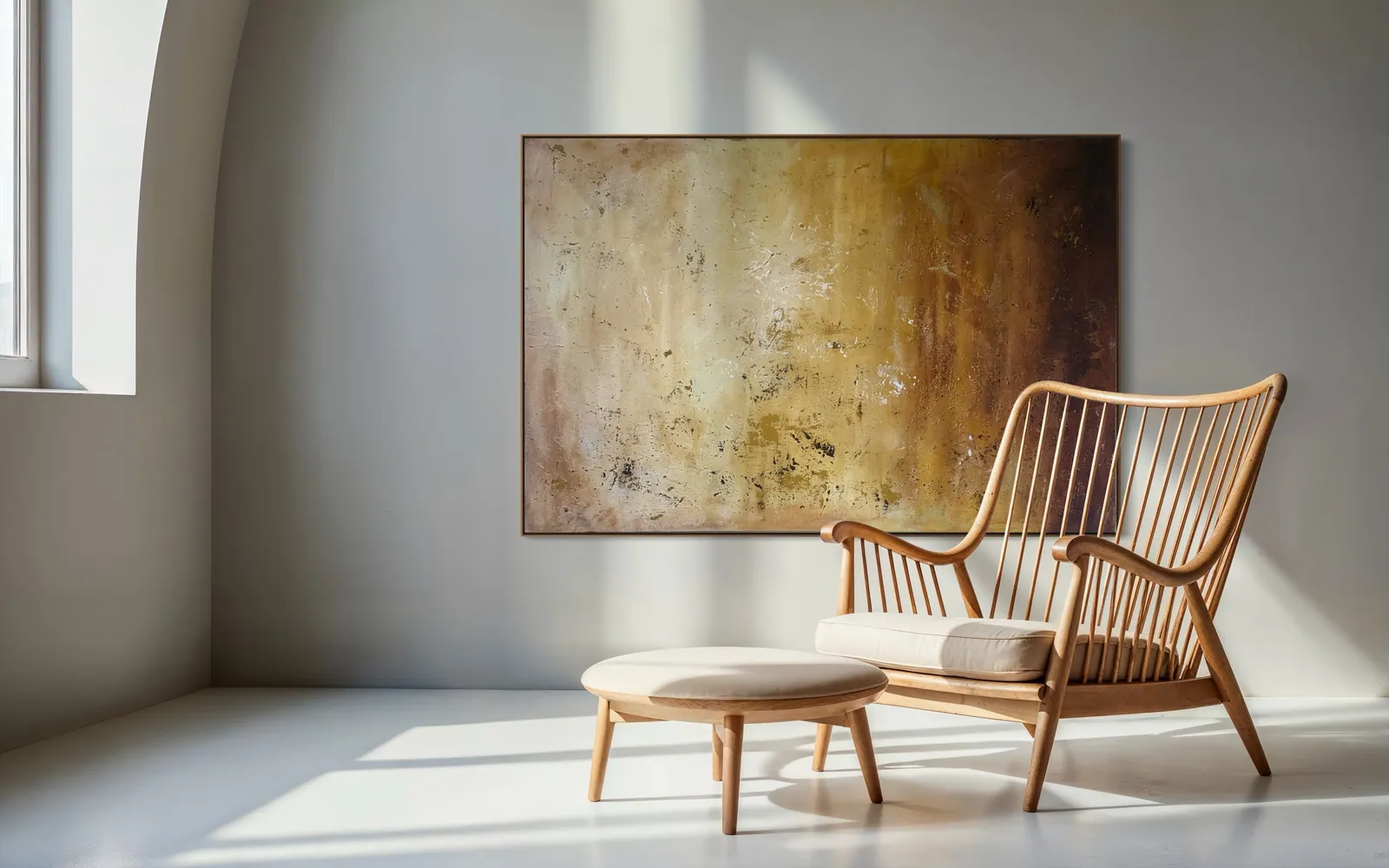
A painting bought in Brazil and a diplomatic household move
When a collector buys a painting and has it sent to a foreign address, the shipment is normally a commercial export, with an invoice and a declared price. A diplomat finishing a posting is in a different position: the painting is one more object in a household that is changing country, and the foreign ministry has a dedicated simplified procedure for missions and their officials. Whether a painting bought in Brazil is handled as unaccompanied baggage or as goods is not something the ministry's page spells out, so it is a point to settle with your mission's administrative staff before anything is packed.
The background is the Vienna Convention on Diplomatic Relations of 1961. Article 36 deals mainly with entry into the receiving State: it asks that State to permit entry of, and grant exemption from customs duties on, articles for the personal use of a diplomatic agent and household, and it exempts a diplomatic agent's personal baggage from inspection unless there are serious grounds to presume it holds articles outside those exemptions, or articles whose import or export is prohibited by the law of that State. It does not describe an export procedure.
Article 39 adds the time limit: privileges normally cease when the person leaves the country, or after a reasonable period in which to do so. In plain terms, the shipment should be planned while the posting, and the status that comes with it, is still current. The treaty is a framework, not a procedure. The procedure is Brazil's own, and it is set out by the foreign ministry.
The Brazilian exit step: the Simplified Export Declaration
Brazil's Ministry of Foreign Affairs publishes a services page for foreign missions through its privileges and immunities coordination (CGPI). It states that goods exported by foreign missions use the Declaração Simplificada de Exportação (DSE), a simplified customs declaration, and that the form goes through the ministry's privileges and immunities coordination, with the customs processing done by the Receita Federal afterwards; the ministry gives an average of five business days for a DSI or DSE. For unaccompanied baggage, the page says the DSE is released immediately, provided the official has not acquired a firearm in Brazil and does not own a car with diplomatic plates in their name. For other goods, such as repairs or returns, the page asks for the product invoice or a copy of the original import declaration to be attached.
Two things follow. First, the page does not single out works of art, so how a painting is described on the declaration is a question for your mission's administrative or protocol staff, who file it. Second, the ministry's page is the reference to check before you rely on any summary, this one included: procedures are revised, and your embassy will know the current version. The studio does not file customs declarations for diplomats; what it can do is give you accurate documents to attach.
Does the painting itself need clearance to leave Brazil?
The rule most people have heard of, that art cannot leave Brazil, is narrower than its reputation. Lei 4.845/1965 prohibits the export of works of art and craft produced or brought into Brazil up to 1889, the end of the Empire. IPHAN, the federal heritage institute, states on its export page that the law covers that historical period, and it offers a free online consultation for anyone who wants the question answered in writing. A painting completed in 2025 or 2026, like every work in this catalogue, is not in the restricted period. The longer explanation is in Does Brazil require an export permit for contemporary art?, and the same reasoning applied to a departing resident is in Buying Brazilian art before you leave Brasília.
What the studio provides, and what stays with you
Every acquisition from the studio is direct from the artist and includes the original painting, a hand-signed Certificate of Authenticity with the technical record and the Archive ID, a fiscal invoice or official receipt, an Artwork Acquisition Agreement, a dossier, care guidance and professional packaging. Together they give your removals company or your mission's administrative staff a precise description of the object: title, year, medium, dimensions and the price actually paid. The difference between the invoice and the certificate, and what each is for, is covered in invoice versus certificate of authenticity.
The studio ships anywhere, quoted per destination and on request for international addresses. Transit insurance is available, and import duties or taxes in the destination country are paid by the buyer. A diplomat who intends to send the painting inside the household shipment instead of through the studio's shipping quote should say so when first writing to the studio, which will confirm what is feasible. Anything beyond that, such as a specific collection date, should be confirmed with the studio directly. How a crate is built for a long international move is described in how a crate is built for an international art shipment.
From the studio
From the studio: scale decides the logistics
When I think about a work like Amber Strata, 150 × 100 cm, mixed media with acrylic on canvas, from the Terra & Ether series, what I notice is how quickly size changes the conversation. At that scale a painting does not ride in a suitcase: it needs proper packaging and a place on an inventory, so it is easier to plan at the moment of purchase than in the last week of a posting. The questions I would ask a departing diplomat are practical ones: where will it hang next, who will receive it, and how much time is left. I trained as an architect, and that habit of reading a wall first makes the choice of piece, and of its size, easier.
Frequently asked
How can a diplomat posted to Brazil ship art home at the end of a posting?
Start with your mission's administrative staff. Brazil's foreign ministry publishes a simplified export declaration, the DSE, that foreign missions use for goods and unaccompanied baggage leaving the country, and whether a painting is declared as baggage or as goods is for them and the ministry to settle. The studio supplies the invoice, certificate of authenticity and packaging, and can quote shipping if you prefer to send the work separately.
Does a contemporary painting need an IPHAN export authorization?
No export authorization is required by Lei 4.845/1965 for a contemporary work, because that law covers art and craft produced or brought into Brazil up to 1889. IPHAN offers a free online consultation if you want written confirmation for a specific piece. Paintings in this catalogue date from 2025 and 2026, so they are outside the restricted period.
Are import duties at home covered by the Brazilian procedure?
No. The Brazilian declaration deals with leaving Brazil. Whether the painting is admitted free of duty or taxed on arrival depends on your home country's rules for returning officials and household goods, which this guide does not cover. Ask your own ministry's removals or administrative section. For shipments the studio sends, duties and taxes in the destination country are paid by the buyer.
Should I buy the painting early in the posting or just before leaving?
Earlier is simpler. Privileges under the Vienna Convention normally end when the person leaves the country or after a reasonable period to do so, so the shipment is best planned while the posting is current. Buying earlier also leaves time to agree packaging and documents. If your departure date is already set, tell the studio when you first write, and it will confirm what is feasible.
What documents should I ask the studio for?
Ask for the fiscal invoice or official receipt and the signed Certificate of Authenticity, which carries the title, year, medium, dimensions and Archive ID. The Artwork Acquisition Agreement and the artist dossier come with the acquisition. Together they let your removals company or administrative staff describe the object precisely. Request them at purchase, not at the moment of departure.
Leaving Brazil and thinking of taking a painting?
Tell the studio your departure date and destination, and which work you have in mind. It will confirm what is feasible and prepare the documents.
Also read
- Amber Strata — 150 × 100 cm, Terra & Ether
- Available works
- For collectors
- Buying Brazilian art before you leave Brasília
- Shipping original art internationally from Brazil
- What happens to your art collection when you move to another country
- Does Brazil require an export permit for contemporary art?
- Invoice versus certificate of authenticity
- How a crate is built for an international art shipment
Sources
- United Nations, International Law Commission — 2026-10-03
- Ministério das Relações Exteriores (Brazil), Cerimonial, Privilégios e Imunidades — 2026-10-03
- IPHAN (Brazil) — 2026-10-03
Published on