Selling a painting you bought: how the 28% collectibles rate works on US capital gains
For US federal tax, the IRS treats art as a collectible. If you sell a painting you bought for more than you paid and held it more than one year, the net gain is taxed at a maximum 28% rate. Held one year or less, the gain is short-term and taxed as ordinary income.



Why the IRS calls a painting a collectible
IRS Tax Topic 409 covers capital gains and losses for US federal income tax. It names art in a single line: net capital gains from selling collectibles, such as coins or art, are taxed at a maximum 28% rate. A painting you bought and later sell falls in that group.
The gain or loss is the difference between the amount you realized from the sale and your adjusted basis in the painting. Topic 409 says basis is generally the asset's cost to the owner. If you sell for more than your basis, you have a capital gain. If you sell for less, you have a capital loss. The 28% is a ceiling; your own rate depends on the rest of your return.
This is a summary of a federal rule in the United States. State income tax is a separate matter, and none of this is tax advice. Take your figures to a CPA or tax attorney before you sell.
More than one year, or one year or less
The holding period decides which rule applies. Topic 409 says that if you hold an asset for more than one year before you dispose of it, the gain or loss is long-term. If you hold it one year or less, it is short-term. You generally count from the day after the day you acquired the asset, up to and including the day you dispose of it.
A long-term net gain on a painting is the one subject to the 28% maximum. Net short-term capital gains are taxed as ordinary income at graduated tax rates, so a painting sold within its first year follows your ordinary bracket. Keep the date on your purchase invoice: the count generally starts the day after you acquired the work, and your CPA will want that date on paper.

Your basis and the papers that prove it
A gain can only be worked out if you can show what you paid. Your basis starts with the purchase price, and the record that proves it is the paperwork you received when you bought the work. For a painting that means the invoice or receipt with the price and date, the agreement signed with the seller and the certificate that identifies the work. Keep them together with any receipts for costs your CPA may treat as part of the basis.
A purchase from a Brazilian studio is invoiced in reais. Ask your CPA how to state that amount in dollars for the year of purchase and the year of sale. Topic 409 sends you to Form 8949, Sales and Other Dispositions of Capital Assets, to report the sale and work out the gain or loss, and to Schedule D (Form 1040) to summarize it.
If you sell for less than you paid
A sale below your basis is a capital loss, and Topic 409 gives it equal space. When your capital losses exceed your capital gains, the excess you can claim against other income is the lesser of $3,000 ($1,500 if married filing separately) or your total net loss on Schedule D. A larger loss can be carried forward to later years.
The same page also says losses from the sale of personal-use property, such as your home or car, aren't tax deductible. It does not say how that applies to a painting that hung in your own living room. That question belongs with your CPA before you count on the loss.
For those acquiring a work
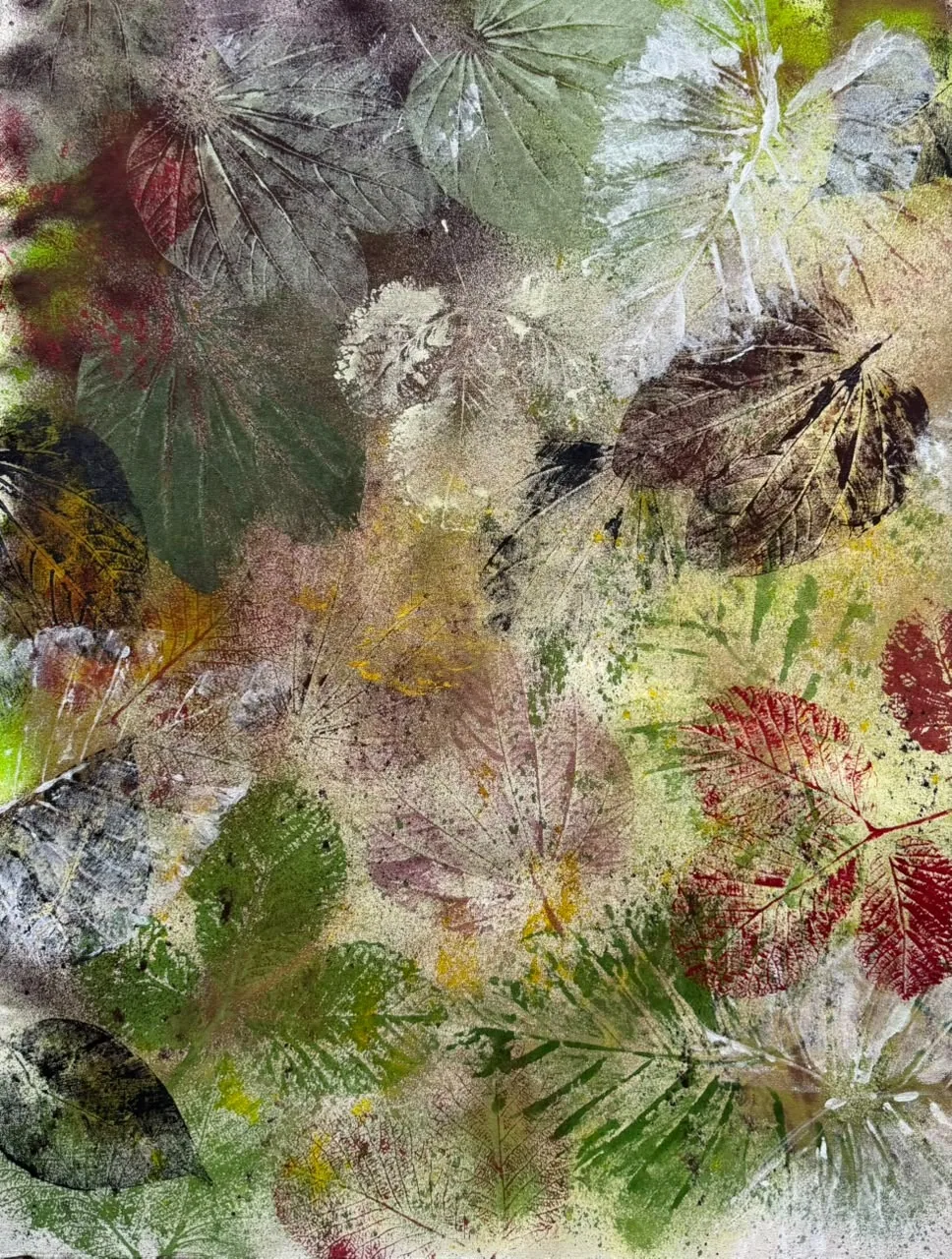
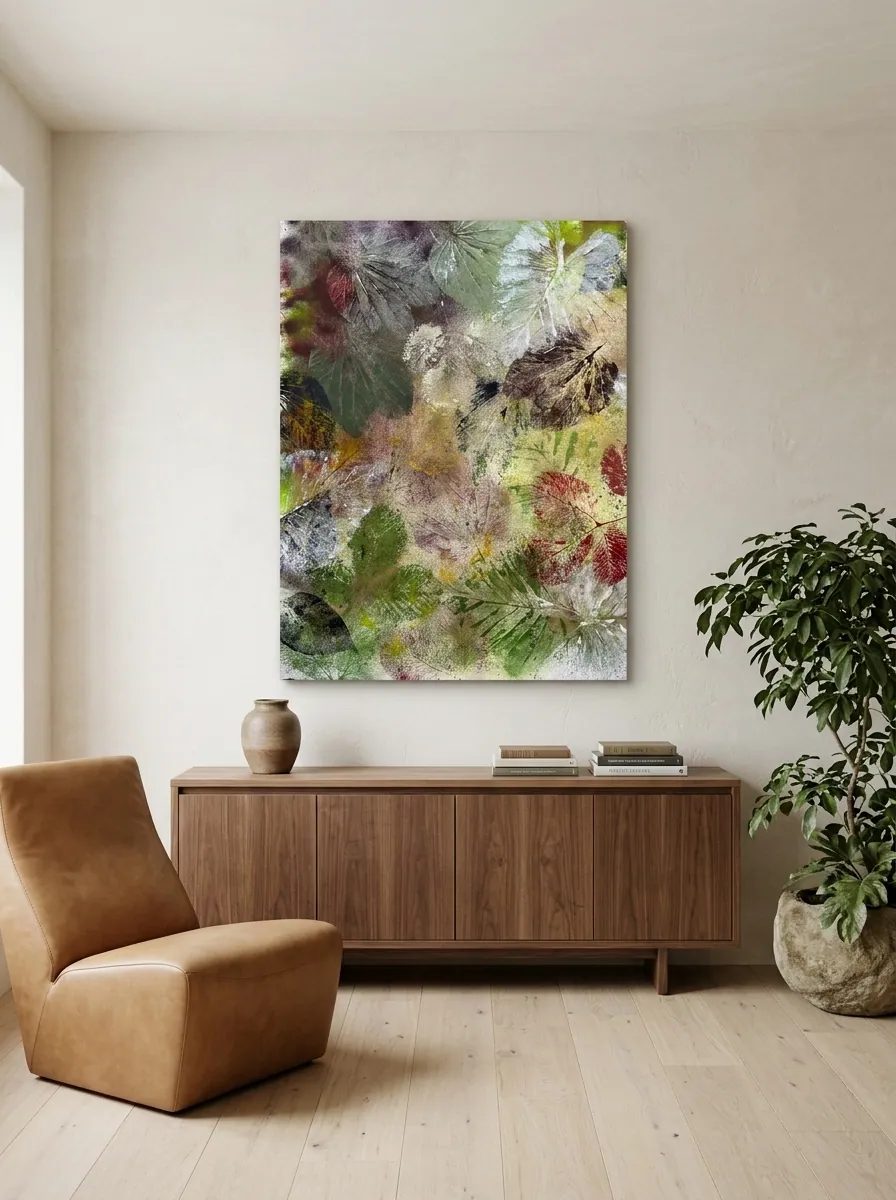
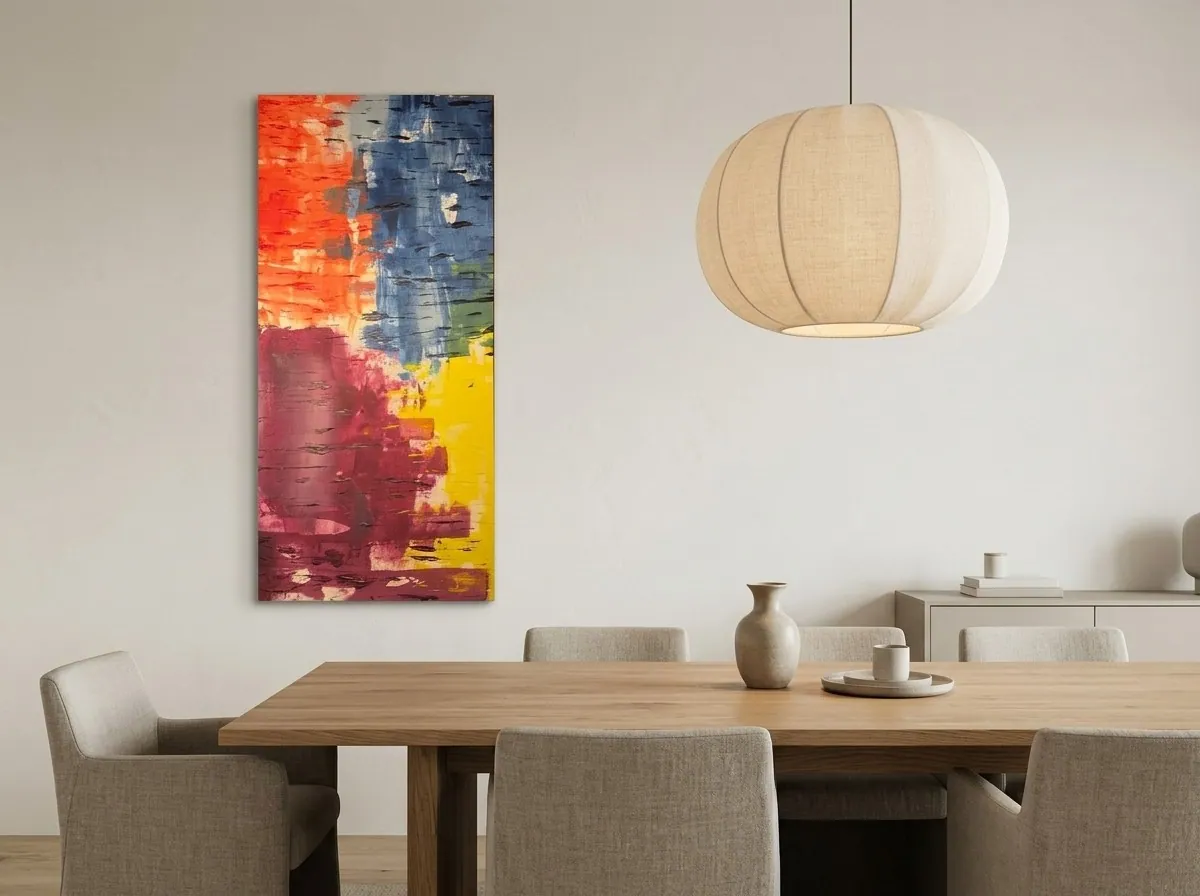
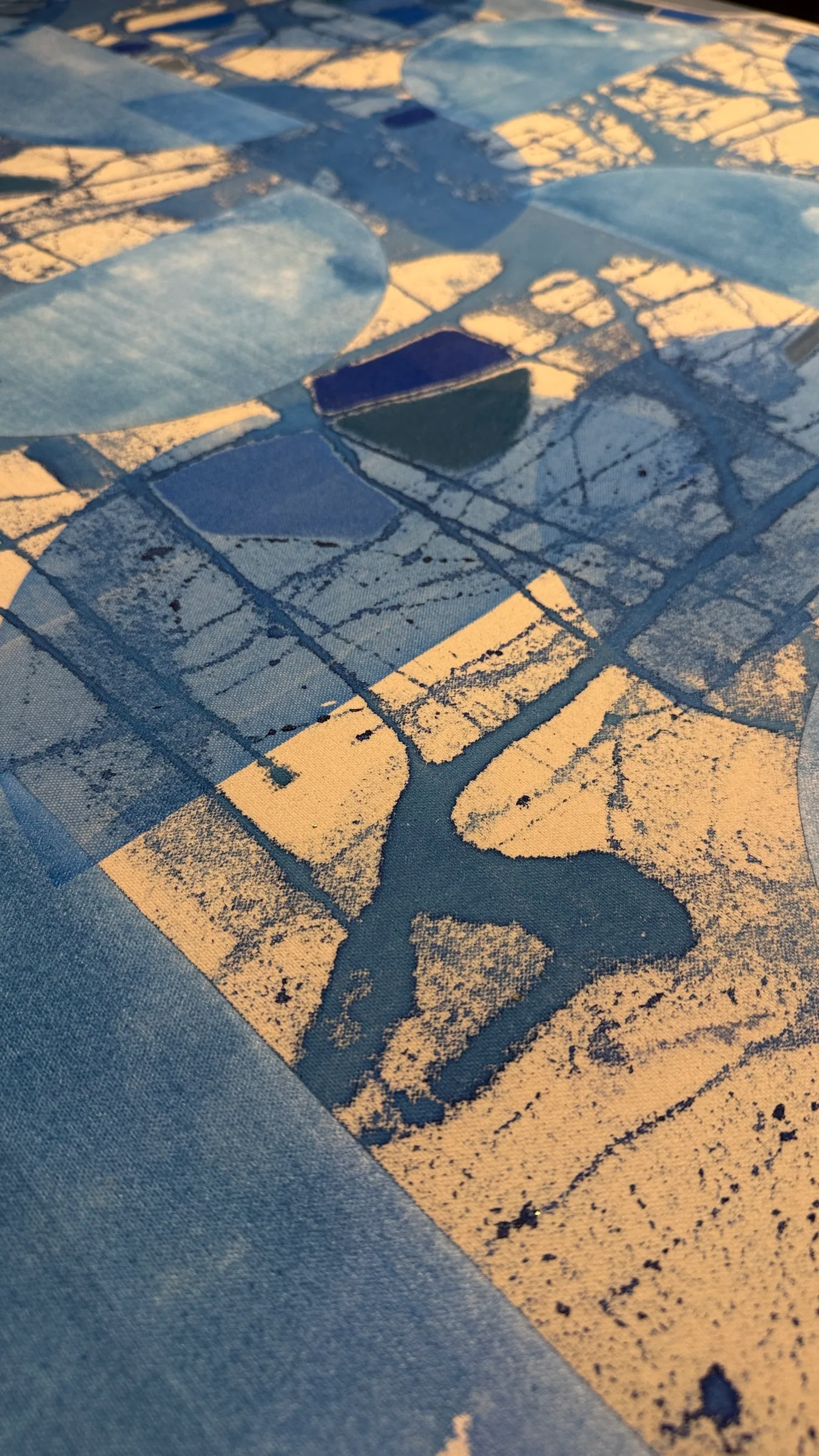
If you plan to keep records from the first day, start with the size of the wall. Moss Herbarium (78 × 100 cm, R$ 4,000) sits over a sideboard or desk. Azure Cartography (100 × 100 cm, R$ 5,500) needs a wide wall with room on both sides. Birch Quartet (65 × 140 cm, R$ 5,200) is tall and narrow and suits a column of wall or a space between two windows. Mark the size with masking tape, check the light at different hours and note the distance you will see it from.
Every acquisition comes directly from the artist with a signed Certificate of Authenticity carrying the Archive ID, a fiscal invoice or official receipt, an Artwork Acquisition Agreement, an artist dossier and conservation and care guidance. Shipping is quoted per destination and paid by the buyer, as are any import duties or taxes in the destination country; professional packaging is included and transit insurance is available. See shipping and acquisition.
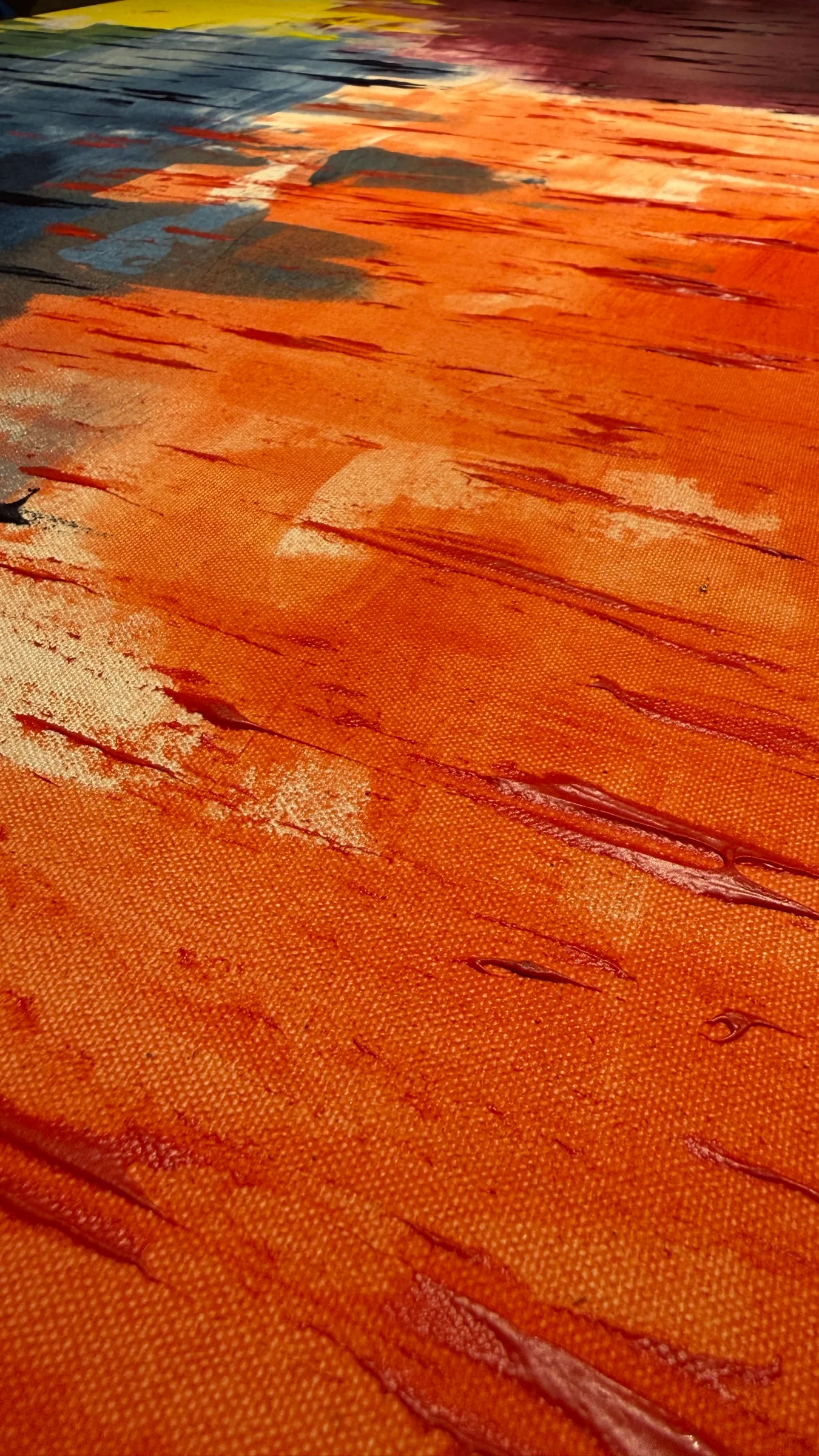
Available works
-
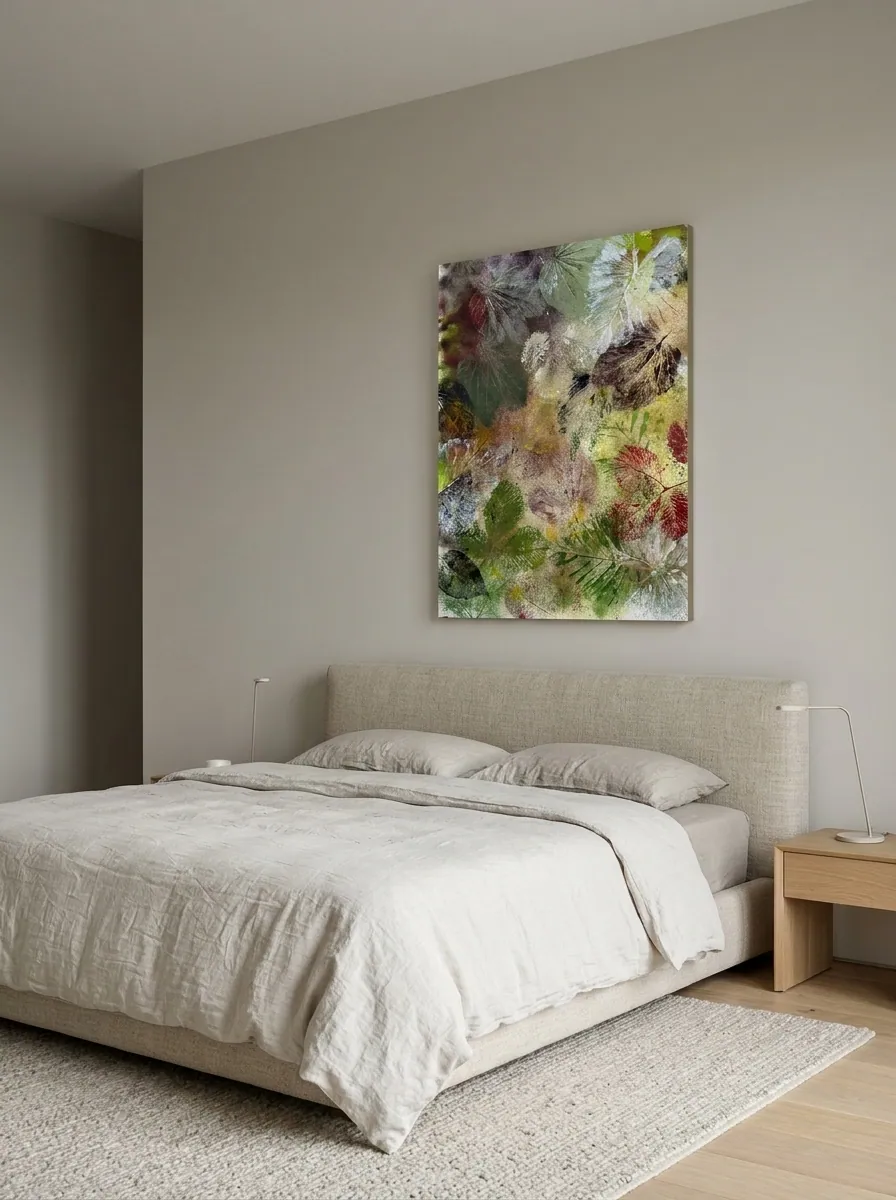 Moss Herbarium
78 x 100 cm (30.7 x 39.4 in) · R$ 4.000
-
 Moss Herbarium
78 x 100 cm (30.7 x 39.4 in) · R$ 4.000
-
 Azure Cartography
100 x 100 cm (39.4 x 39.4 in) · R$ 5.500
-
 Azure Cartography
100 x 100 cm (39.4 x 39.4 in) · R$ 5.500
-
 Birch Quartet
65 x 140 cm (25.6 x 55.1 in) · R$ 5.200
-
 Birch Quartet
65 x 140 cm (25.6 x 55.1 in) · R$ 5.200
From the studio
From the studio
Alyne Perfeito is a Brazilian visual artist, trained as an architect, based in Brasília. Moss Herbarium (AP-TAE-2026-009), Azure Cartography (AP-LMR-2026-008) and Birch Quartet (AP-LMR-2026-010) are acrylic on canvas. Each leaves the studio with its invoice, agreement and certificate, the three papers your CPA will ask for if you ever sell.
Frequently asked
Is art taxed at a higher capital gains rate in the US?
IRS Tax Topic 409 says net capital gains from selling collectibles, such as coins or art, are taxed at a maximum 28% rate. Whether that ceiling matters for you depends on the rest of your federal return; a CPA can run the numbers.
What counts as long-term for a painting?
Holding it more than one year before you sell. Topic 409 says you generally count from the day after the day you acquired it. Held one year or less, the gain is short-term and taxed as ordinary income at graduated rates.
What records prove what I paid for the painting?
The purchase invoice or receipt with the price and date, the agreement signed at the sale and the certificate that identifies the work. Topic 409 says basis is generally the asset's cost to the owner, and the sale is reported on Form 8949 and Schedule D.
Does the 28% rate apply to a painting I inherited?
Inherited property follows different rules. Topic 409 points to Publication 551 for the basis of an inherited asset and to Publication 544 for the holding period of property acquired from a decedent. Ask a CPA before you sell.
Ask for the papers before you buy
Write to the studio about Moss Herbarium, Azure Cartography or Birch Quartet, the documents that come with each and a shipping quote to your address.
Published on
Edited and reviewed by: Alyne Perfeito, architect and visual artist · CAU A1023098
Alyne Perfeito is a trained architect and visual artist with a studio in Brasília, Brazil. She edits and reviews the Journal from her painting practice. See Alyne's works →