Do you need to varnish an acrylic painting after you buy it?
Usually no, not as a buyer's task. Varnish on acrylic is a decision the maker takes while building the work, and the main manufacturer's guidance is written for artists, not owners. Part of the system is permanent, and removing a coating without training can damage the work. Ask the artist what a painting already has first.
What varnish is, and what it is for
Varnish is a clear protective coating applied over a finished painting. Golden Artist Colors, a maker of artists' acrylics, describes its waterborne varnish as protecting an acrylic painting from dust and UV light, and as removable for future conservation. The manufacturer also states that it is intended for interior acrylic paintings, not for oil paintings or outdoor display.
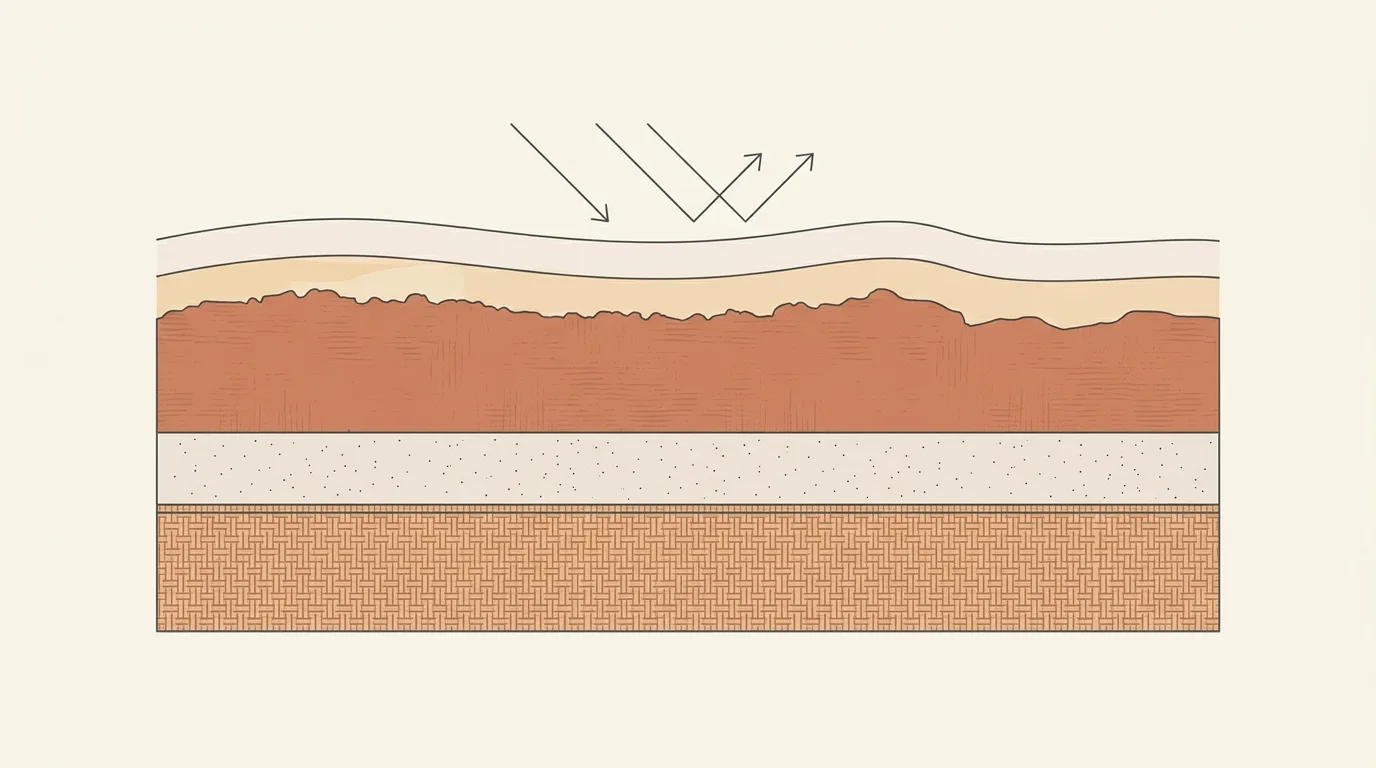
Two details matter for a buyer. First, Golden's guidelines are addressed to artists: they advise practising on test pieces similar to the real work before touching it. Second, the system is layered. Golden recommends a separate isolation coat between the paint and the removable varnish. The page describes that coat as permanent and non-removable, one that can alter brushstrokes, texture and colour. These are the manufacturer's statements about its own products, so they describe one maker's system, not a rule for every painting.
Why it is not a simple finishing touch
The Canadian Conservation Institute is plain about the risk side: untrained individuals should not attempt to remove layers of dirt and discoloured varnish, and acrylic emulsion paintings do not tolerate even mild organic solvents. The same note says that removing varnish layers is not always advisable, nor necessary. It also records that a varnish itself can age, with gradual yellowing or cracking.
Golden's page on its varnish adds that, if you are not the artist, varnish removal can permanently damage the work, and recommends a professional conservator for significant or unknown pieces. Put together, the sources describe a coating that is easy to add but risky to remove without training, and part of the system, the isolation coat, is permanent.
What varnish changes: sheen, depth and texture
Varnish is not invisible. Golden's guidelines say gloss keeps reflective surfaces reflective on metallic and iridescent colours, while on dark colours a more matte finish can lighten the surface. The isolation coat page warns of changes to texture and colour. On a relief surface, where light and shadow across the paint are part of the work, any added layer deserves caution.
This is also why the finish of a work is a choice by its maker. The catalogue entry for Genesis of Flame records its medium as mixed media on canvas (acrylic, metallic pigment, high-gloss and matte finish). The catalogue does not say how that finish was built, so a buyer should ask the studio rather than assume, and should not add or remove anything.
What to do instead, as the owner
Ordinary care does the job a buyer can safely do: dry dusting, a stable room, distance from radiators and strong sun. The guides on dusting and cleaning a textured painting and protecting a painting from sunlight and fading cover this. For the wider question of how acrylic differs from oil as a material, see oil vs acrylic paint.
If a surface looks uneven, glossy in patches or dull, photograph it and ask the maker or a paintings conservator. Do not test a product on the painting.
From the studio
From the studio
I am a trained architect as well as a painter. For a work from the studio, the answer to a finish question comes from me, not from a general rule: write over WhatsApp and I will tell you what that specific painting has. Each work leaves with a signed Certificate of Authenticity and conservation and care guidance, and the original paintings in the gallery are catalogued with their medium. If you want to know how a specific work was finished, ask the studio over WhatsApp before applying anything to it.
Frequently asked
Should I varnish a painting I bought?
Not on your own initiative. Varnish on acrylic is normally part of how the maker finishes a work, and the manufacturer's guidance is written for artists, who are advised to practise on test pieces first. Some coatings are permanent and hard to correct. If you wonder whether a painting needs one, ask the artist or a paintings conservator before applying anything.
Can varnish change the texture or sheen?
Yes. Golden's guidelines say gloss keeps reflective surfaces reflective, and that a more matte finish can lighten dark areas. Its isolation coat page notes possible changes to brushstrokes, texture and colour. On a heavily textured surface the effect can be noticeable, which is why the finish is a deliberate choice by the maker and not a neutral extra.
Who should apply it?
If a coating is ever appropriate, it should be done by the artist who made the work or by a trained conservator. Golden recommends a professional conservator for significant or unknown pieces, and the Canadian Conservation Institute says untrained individuals should not attempt to remove dirt and discoloured varnish. A home attempt on a finished painting is the riskiest route.
Does a varnished painting need different care?
The basics stay the same: dry dusting, a stable environment and no household cleaning products. The difference is that a varnish layer can age, and the Canadian Conservation Institute lists yellowing or cracking of varnish as a cause of change. Do not use solvents or water-based cleaners on it. If it looks cloudy, patchy or yellowed, consult a conservator.
How do I know if it has varnish?
A glance is not reliable. Sheen alone can come from the paint, the medium or a coating, and a work may combine gloss and matte areas by design. The dependable route is to ask the maker, and to read the technical record and care guidance that come with the work, which may or may not mention it. Avoid testing the surface with solvents or cleaners to find out.
Want to know how a specific painting was finished?
Write to the studio to ask about the materials and finish of a work, or to request detail photographs.
Sources
- Golden Artist Colors — 2026-10-17
- Golden Artist Colors — 2026-10-17
- Golden Artist Colors — 2026-10-17
- Canadian Conservation Institute (CCI Notes 10/1) — 2026-10-17
- Perfeito Studio (src/data/obras.json) — 2026-10-17
Published on