How to read a Latin American art auction catalogue: lot essay, provenance, estimate, condition
A lot page is several separate claims stacked together: a description of the object, its provenance (the ownership history), the exhibitions and publications that mention it, a price estimate and, on request, a condition report. Read each field as a different kind of evidence: the estimate is a range rather than a price, and provenance can legitimately be incomplete.
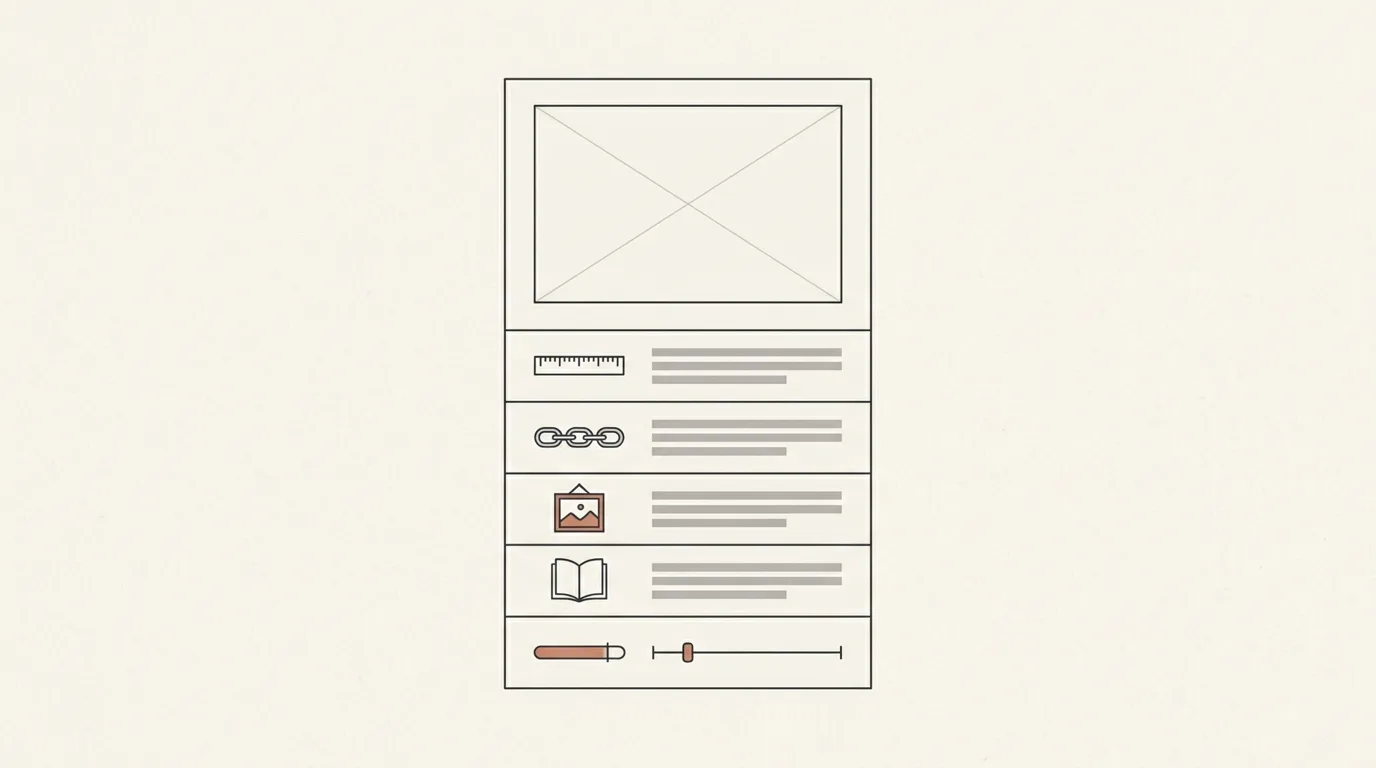
The anatomy of a lot page, field by field
Sotheby's lot entries carry a lot number, title, estimate, description, provenance, exhibitions and literature, among other fields (Yale University Library research guide), and each field answers a different question, whatever the origin of the work. Reading them separately keeps one persuasive field from vouching for the others.
- Lot number and title. A lot is an individual object or group of objects offered in the sale, and catalogues are arranged by lot number (Yale glossary).
- Description. Artist, date and a description of the object. This is the house's cataloguing: the factual information it publishes about the lot (Sotheby's glossary).
- Lot essay. Some catalogues print a written note on the work next to the description. Sotheby's states that it acts as agent for the seller (Sotheby's guide for buyers), so read any such note as the house's presentation of the work, not as an independent record.
- Provenance, exhibited, literature. The research trail, covered below.
- Estimate. A price range, covered below.
Provenance, exhibited and literature: the research trail
Provenance is the documented history of ownership of an item, often used to confirm authorship and often included in auction catalogues (Yale glossary). Sotheby's describes it as a chain of ownership traced back as far as possible to when the object was created (glossary).
A thin provenance is not automatically a warning. Sotheby's states that a catalogue may include ownership history when it contributes to scholarship or helps distinguish the work, and that the identity of a seller or earlier owners may be withheld, for example at the seller's request for confidentiality or because earlier owners are unknown given the age of the work (Buying at Auction). The useful question is which links in the chain are named, which are stated generally, and which are absent.
Exhibited lists the museum or gallery exhibitions in which the lot has appeared (Sotheby's glossary, under exhibition history). Literature lists the publications in which the work is documented. Both are things you can check outside the catalogue: an exhibition has a title, a venue and a year, and a publication has an author and a page number. If a house cites them, you can ask to see them.
The estimate is a range, not a price
Each lot carries a low and a high estimate, which indicate the range in which the lot might sell. Sotheby's notes that estimates are set months before the sale, can change, and should not be relied on as a prediction of the selling price (Buying at Auction). Its buyers' guide adds that lots can realise prices above or below the estimate, and that estimates do not include the buyer's premium, any overhead premium, Artist's Resale Right or VAT (guide for buyers).
The reserve is a separate number you will not see. In Sotheby's catalogue notes it is the confidential minimum hammer price, generally set at a percentage of the low estimate and never above it. How the premium and the reserve work in the room is covered in how art auctions work.
Condition: ask for the report, and read silence carefully
Sotheby's states that lots are offered "as is" in the condition they are in at the time of sale. It may provide condition reports as a convenience, and a report can be requested from the specialist in charge of the sale (guide for buyers; Buying at Auction). Viewing the work in person, at the pre-sale exhibition where there is one or by appointment, is the other route.
For a large painting on canvas, the questions worth putting to the specialist are practical ones: whether the surface has been cleaned or restored, how the edges and stretcher are, and whether the report is accompanied by photographs. A report answers those questions in writing; a catalogue description that says nothing about condition has not answered them.
What the catalogue does not settle
No single field proves authenticity or title. Sotheby's says it has retained the Art Loss Register to check uniquely identifiable items estimated above US$1,500 against a database of objects reported stolen or lost, and that the Register does not guarantee the provenance or title of any item it searches (Buying at Auction). A search certificate is one piece of evidence, not a verdict.
For information not in the lot description, Sotheby's invites prospective bidders to contact the specialist in charge of the sale. That is the place for the unanswered questions: missing provenance links, citations you cannot trace, a condition note you would like expanded. The aim of reading a catalogue carefully is to arrive at that conversation with specific questions.
From the studio
From the studio: the same fields, for a work bought direct
Trained as an architect, I read a lot page the way I read a drawing set: a title block plus a set of claims, each of which has to point to a document. A work bought directly from me has the same fields in a different shape. Take Silent Interval, a 2026 work in the Matter & Silence series: mixed media with acrylic on canvas, 120 x 160 cm, Archive ID AP-MAS-2026-003.
Its provenance has a single starting point, the sale from me. The signed Certificate of Authenticity records the technical data and the Archive ID, is signed by hand, and carries a QR code linking to the work's page on this site, so the record can be checked later (what an Archive ID is; the certificate). Detail photographs and video of a specific work are available on request. I do not set or quote secondary-market values; what I publish is the work's own page.
Frequently asked
What does 'provenance' mean in a lot listing?
Provenance is the documented history of who has owned a work. Yale's library glossary describes it as documentation providing the history of the ownership of an item, often used to confirm authorship and often included in auction catalogues. Sotheby's adds that a catalogue may name earlier owners when this contributes to scholarship, but may also withhold them, for instance for confidentiality or because they are unknown. An incomplete chain is common, so ask which links are documented.
What is a condition report and how do I request one?
A condition report is a written account of a lot's physical state. Sotheby's says it may provide condition reports as a convenience and that you can request one from the specialist in charge of the sale. Lots are offered as is, so the report and, where there is a pre-sale exhibition, a viewing in person are the main ways to understand condition before bidding. Ask for photographs with it.
How do I read an estimate range?
The low and high figures indicate the range in which the lot might sell. They are set months before the sale, can be revised, and are not a prediction of the result. Sotheby's notes that lots can sell above or below the estimate and that estimates do not include the buyer's premium, any overhead premium, Artist's Resale Right or VAT. The reserve, a confidential minimum, is generally set at a percentage of the low estimate and does not exceed it.
What does 'exhibited' and 'literature' mean in a lot?
Exhibited lists museum or gallery exhibitions in which the work has appeared; Sotheby's glossary calls this exhibition history. Literature lists publications in which the work is documented. Both are things you can check outside the catalogue: an exhibition has a title, a venue and a year, and a publication has an author and a page number. If a citation is vague or you cannot trace it, that is a reasonable question to put to the specialist handling the sale.
How do I check a Latin American work is authentic before bidding?
No single field settles authenticity. Provenance can support authorship, but it may be partial. Sotheby's checks identifiable items estimated above US$1,500 against the Art Loss Register, which does not guarantee provenance or title. The practical step is to ask the specialist in charge of the sale about anything the lot description does not cover, including missing ownership links, uncited literature and the condition report, and to request those answers in writing.
Questions about the documents that come with a work?
Ask about the certificate, the Archive ID or detail photographs of a specific painting, directly with the artist.
Sources
- Sotheby's, Buying at Auction (catalogue back matter PDF) — 2026-10-17
- Sotheby's Help Centre, Guide for Buyers (Global) — 2026-10-17
- Sotheby's, Glossary — 2026-10-17
- Yale University Library, Collecting and Provenance Research: Auction houses — 2026-10-17
- Yale University Library, Collecting and Provenance Research: Glossary — 2026-10-17
- Perfeito Studio — 2026-10-17
- Perfeito Studio — 2026-10-17
Published on · Updated on